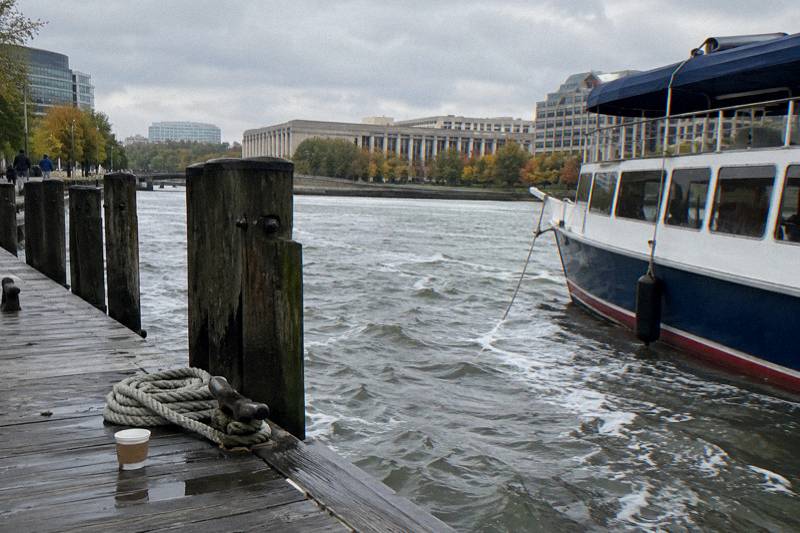
What Is The Famous Virginia Bike Trail?
The famous Virginia bike trail is the Mount Vernon Trail, a riverside ride from Alexandria to George Washington's estate. Here is what to expect and how to ride it.
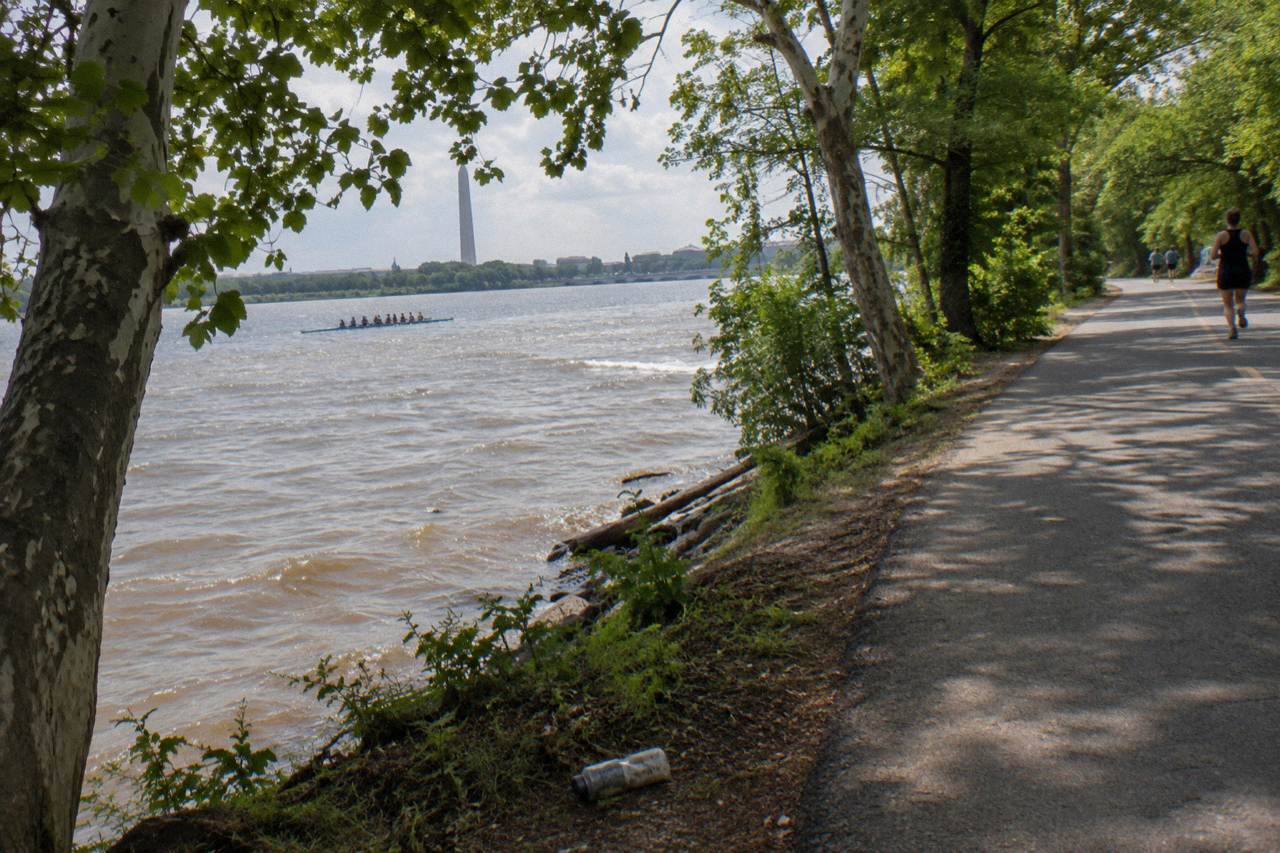
The famous Virginia bike trail is the Mount Vernon Trail, a paved, riverside path on the Virginia side of the Potomac that ends at George Washington's Mount Vernon estate. Cyclists usually reach it through Alexandria, and the two self-ride bike and boat packages on this site both use it as the centerpiece of a 4 to 7 hour day: a bike, helmet, and estate ticket are included, no guide rides with you, and the pace is yours to set.
It is the trail that shows up in almost every conversation about cycling near Washington DC, and for a simple reason: it strings together the best of the Virginia shoreline in one continuous car-free corridor. On one side you have the Potomac River, wide and glittering for most of the way. On the other, a chain of sights that reads like a highlights reel of the capital region: Old Town Alexandria's waterfront, river parks, an airport viewing area where planes climb out overhead, and finally the grounds of the first president's home. The National Park Service, which manages the trail as part of the George Washington Memorial Parkway, notes plainly that bicycles are welcome throughout its parklands, with parking provided near major destinations and riding inside memorial areas restricted.
The exact length of the trail is one of those numbers that floats around the internet without a solid official source behind it, so no official figure is published. What matters for planning is shape, not mileage: the trail runs along the Potomac between the Alexandria waterfront area and Mount Vernon, and a guided tour that covers it, such as the Alexandria Mount Vernon Bike and Boat Tour, lists its full day at 4 to 7 hours, which tells you the honest scale of the outing. If you want the route broken down stop by stop, the companion guide to the Mount Vernon Trail by bike covers it in detail.
One thing worth setting straight early: the trail is famous with locals, not just tourists. Washington area cyclists ride it on weekend mornings as training and as a commute corridor, which means you will share the path with fast road bikes, families on rentals and everything between. The path is paved but narrow in stretches, and the river views pull eyes away from the lane. Ride it the way you would drive a scenic highway, on the right, calling out passes, and saving the sightseeing for the stops.
Where Does The Mount Vernon Trail Start And End?
The trail's anchor points are the Potomac riverfront on the Virginia side and Mount Vernon, George Washington's estate at the southern end, with Alexandria's Old Town as the practical starting hub. Guided tours meet in Alexandria and ride the trail out to the estate, which is why Alexandria appears in both Mount Vernon tour names on this site.
The northern end connects toward the memorials and bridges that link Virginia to the Mall, and the southern end deposits you at the gates of Mount Vernon. In between, the trail hugs the river through Alexandria. This is the stretch people fall in love with: the Old Town waterfront with its brick streets and tall ship masts, then quieter parkland as the city thins out. The two operators on this site both build their day around that Alexandria to Mount Vernon axis. One runs a 6.5 hour shared ride, the other a 4 to 7 hour day with an optional river cruise return, so the same corridor can be a full expedition or a slightly shorter one depending on the booking you choose.
Practical detail matters here, and the booking pages carry it. Meeting point, what is included with the bike, and whether the return leg is by boat or by pedal are all spelled out on each operator's page, and they differ between the two tours even though the trail is the same. Where this article does not state a detail, check the booking page rather than assuming, because inclusions on guided rides, helmets, water, entry tickets, change from operator to operator.
If you are driving to the trail instead of joining a tour, parking is its own small project, especially on weekends and during spring bloom season. The site's guide to where to park for the Mount Vernon Trail goes through the options so you are not circling Alexandria at nine in the morning.
What You See Along The Trail
The ride delivers three distinct acts: the Alexandria waterfront with Old Town's historic streets, a midsection of river parks and open water views, and the arrival at Mount Vernon, where the estate grounds sit above the Potomac. Guided versions fold in narration and a set schedule; self-guided riders choose their own balance of pedaling and lingering.
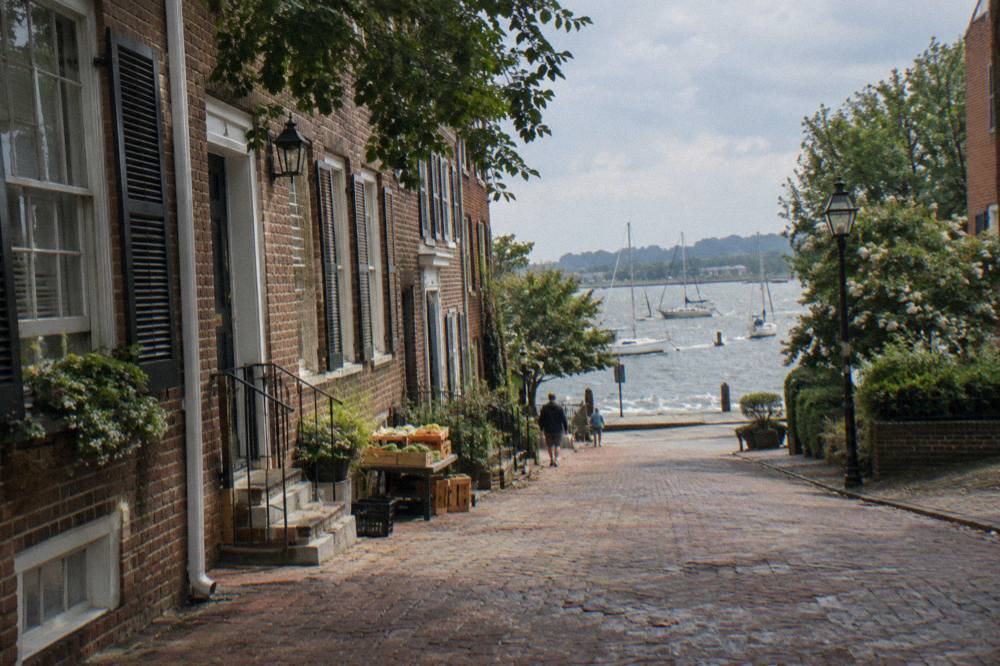
Old Town Alexandria is the warm-up act and honestly a destination on its own. The historic district is one of the oldest parts of the region, full of period architecture, and its waterfront is where most riders first touch the trail. From there the path heads south along the river, and the character shifts from urban to green. Trees close in, the skyline of DC shrinks across the water, and at one point the trail passes close to the flight path of Ronald Reagan Washington National Airport, where arrivals sweep low overhead. It is a strange, memorable interlude that most first-time riders mention afterward.
The finale is Mount Vernon itself. The estate was George Washington's home for over four decades, and the property now operates as a museum of his life and the working farm around it. The views from the back lawn over the Potomac are the postcard shot of the whole ride. A guided bike and boat day typically allows time at the estate before the return leg, and the river cruise option on one of the tours turns the homeward journey into its own sightseeing run on the water. For how the day is sequenced, this table compares the trail experience as the two guided products deliver it:
| Aspect | Guided Bike and Boat Day | Self-Guided Ride |
|---|---|---|
| Starting hub | Alexandria, per the booking page | Your choice along the trail |
| Trail coverage | Alexandria to Mount Vernon with a guide | As much or as little as you like |
| Time at the estate | Built into the 4 to 7 hour tour day | Entirely your own schedule |
| Return leg | Bike back, or river cruise on the tour that offers it | Bike back the way you came |
| Bike and gear | Provided with the tour, check inclusions on the booking page | Rental or Capital Bikeshare at your cost |
| Narration | Guide-led commentary on the route and estate | None, bring your own research |
Neither approach is the wrong one. Guided tours suit visitors who want the logistics solved, a bike waiting at the meeting point, and someone to explain what they are looking at. Independent riders get to linger an hour at the estate bakery or turn back early if the weather turns. The rides listed here lean guided for good reason: the trail is manageable alone, but the estate entry, the bike handoff and the boat timing are fiddly details a tour removes.
Riding The Trail With A Guided Tour
Two self-ride packages on this site use the Mount Vernon Trail as their core route: a 6.5 hour bike and boat day, and a 4 to 7 hour version with an optional river cruise return. Both include a classic bike, helmet, bike bag and Mount Vernon estate ticket, but no guide rides with you, so you set your own pace. Both meet on the Virginia side, with exact addresses on the booking pages.
The longer day runs at an unhurried 6.5 hours, which tells you the pace leaves room for stops, photos and a proper estate visit rather than a sprint to the gates and back. The 4 to 7 hour listing spans a range because the optional river cruise return shifts the total time, a detail worth reading closely when you book. That cruise is the distinguishing feature: you pedal out along the river, tour the estate, then board a boat and watch the whole shoreline slide past on the way home. For many visitors that return leg is the moment the day clicks into place.
What you give up with any guided day is flexibility, and what you gain is everything else. The bikes arrive with the tour, so there is no rental counter, no deposit conversation, no fitting a bike into a car. A guide sets the pace, which matters on a shared path crowded with weekend cyclists. And the schedule is built around the estate's hours rather than your optimistic guess at them. Families weighing whether a guided day suits kids should read the site's guide to family bike rides in DC with kids before committing to the full 6.5 hour version, because the shorter tour is often the kinder choice for younger legs.
Prices for both tours sit on the booking pages, and this article will not quote them secondhand, since guided pricing moves with season and demand. What is safe to say: a tour that includes a bike, a guide and a boat leg is priced as a full day of activity, not as a bike rental. Compare it against what a rental plus estate entry plus a boat ticket would cost separately, and the gap usually narrows.
Best Time Of Year To Ride The Trail
Spring and fall are the best windows: April averages a high of 68.0 F against a low of 48.4 F, and October averages a high of 69.4 F against 52.2 F, both with modest rain days by DC standards. Summer is rideable but hot, with July highs averaging 89.6 F, and winter is quiet and cool rather than closed, since the park stays open year round.
These figures are climate normals, not forecasts: they are the 1991 to 2020 averages recorded at Washington Reagan National Airport, which sits practically on the trail itself, so they describe this exact stretch of river. They are the honest way to plan a ride months out.
| Month | Avg High F | Avg Low F | Rain Days | Trail Verdict |
|---|---|---|---|---|
| March | 56.5 | 38.6 | 6.5 | Cool, cherry blossom crowds near the Basin |
| April | 68.0 | 48.4 | 6.4 | Prime riding weather |
| May | 76.5 | 58.0 | 7.3 | Warm and green, busier paths |
| July | 89.6 | 72.4 | 6.7 | Hot; ride early morning |
| September | 80.7 | 64.1 | 5.8 | Second spring, fewer crowds |
| October | 69.4 | 52.2 | 4.9 | The driest, most reliable month |
| December | 48.8 | 34.5 | 6.4 | Quiet, cold, solvable with layers |
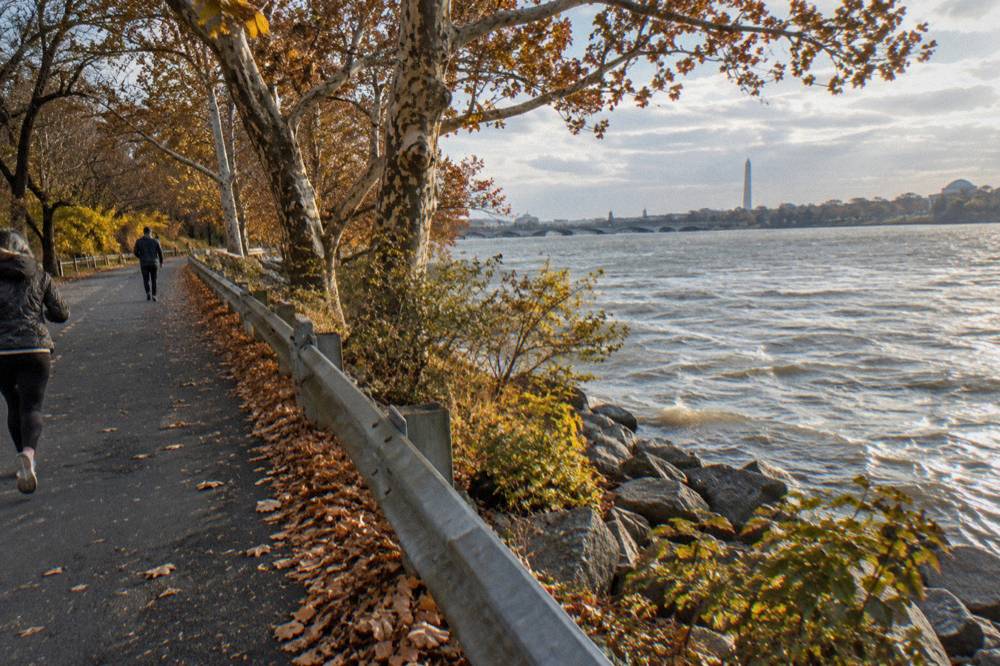
One seasonal note belongs here rather than buried later: spring brings the cherry blossom season, and while the famous bloom crowds gather at the Tidal Basin on the DC side, the Virginia shoreline gets its share of visitors too. The 2026 peak bloom arrived on March 26, and the typical window runs the last week of March into the first week of April. The 2027 National Cherry Blossom Festival is set for March 20 to April 11, 2027, and no peak bloom forecast for that year has been published yet. If your trail ride is meant to coincide with blossoms, book the tour early and treat the flowers as a bonus, never a promise.
Summer riders should simply shift the day earlier. A July morning on the trail is genuinely pleasant; a July afternoon on unshaded stretches is a different sport. The site's guide to biking DC in summer heat covers timing, hydration and clothing in full.
Planning Your Own Ride: Bikes, Rules And Access
You do not need a tour to ride the trail. Capital Bikeshare serves the corridor with a day pass at $10 per 24 hours including classic rides free for the first 45 minutes each, private rentals exist in Alexandria, and the park itself is open 24 hours a day, with bicycle parking near major destinations.
The Bikeshare math matters for this trail more than most, because the ride to Mount Vernon and back in a day outruns the free 45 minute windows. A day pass at $10 covers unlimited classic rides with each ride free for the first 45 minutes and then $0.05 per minute, while e-bikes bill at $0.15 per minute regardless. Split the trail into legs with stops, dock in between, and the arithmetic works; ride it straight through on a single unlock and the overage minutes pile up. The system runs about 8,000 bikes across more than 800 stations in 8 jurisdictions, and its official pricing page carries the current numbers.
Rules on the path are straightforward. DC law requires a helmet for anyone under 16 riding on a public roadway or path, and it is sound practice for everyone on a riverside shared trail. Riding inside memorial areas is not permitted, walk the bike through, though on this trail that applies at the estate end rather than along the river. The National Park Service keeps National Mall and Memorial Parks open around the clock, and the same riverside parkland philosophy governs the Virginia side.
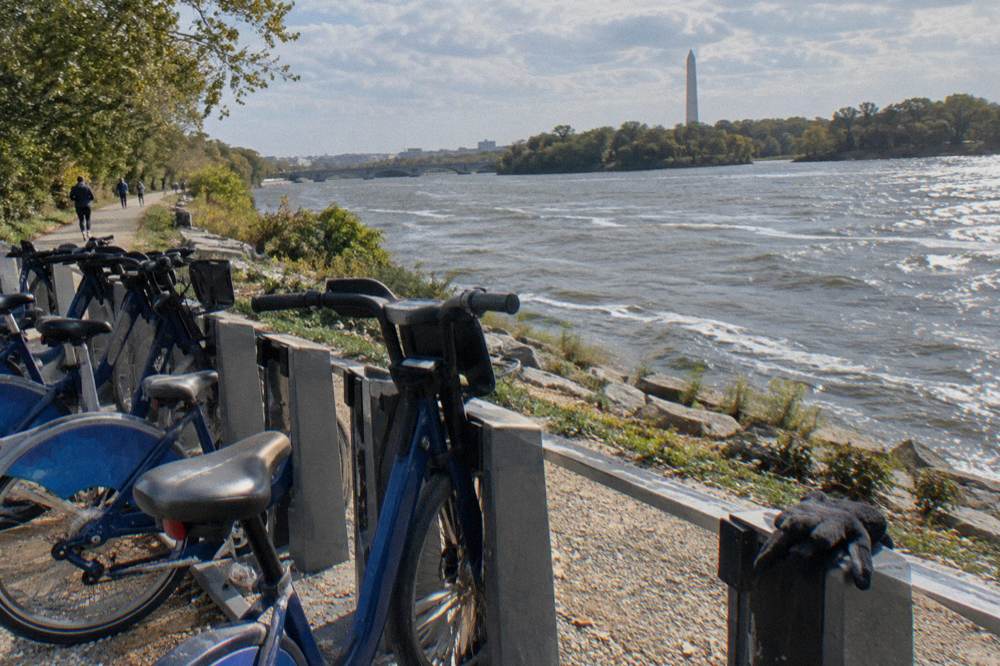
Two closures active at the moment of writing touch the broader river corridor, and riders should check the National Park Service notices before any visit. The Lincoln Memorial Reflecting Pool, its walkways and grass medians are closed until 20 November 2026 at 11:59 p.m. for repairs, and the west side of the Washington Monument grounds is closed through 23 January 2027 for turf restoration. Neither sits on the Mount Vernon Trail itself, but both matter if your day combines the Virginia trail with a monument loop on the DC side, which many visitors do.
For riders who want the trail plus the monuments in one trip, there is a tidy hybrid: ride or tour the Mount Vernon corridor on one day, then take a dedicated monuments ride the next. The 3 hour Monuments and Memorials Bike Tour covers the Mall's big names at a pace the trail day does not attempt, and pairing the two gives you Virginia's river country and the DC core without rushing either. Many visitors string them across consecutive mornings, with the riverside estate day first and the monument loop second, arriving home with both halves of the capital region in their legs.
Common Questions About The Mount Vernon Trail
What Is The Famous Virginia Bike Trail?
The Mount Vernon Trail, the paved riverside path along the Potomac on the Virginia side, running from the Alexandria waterfront area out to George Washington's Mount Vernon estate. It is the corridor both Mount Vernon bike and boat tours on this site ride.
How Long Does The Mount Vernon Trail Take To Ride?
Guided tours list their days at 4 to 7 hours and 6.5 hours respectively, including the estate visit and the return. A self-guided rider's time depends entirely on pace and how long they stay at Mount Vernon, so plan a half day as a realistic floor.
Can You Bike From Alexandria To Mount Vernon?
Yes, that is the classic use of the trail. Both self-ride bike and boat packages meet in Alexandria and ride to the estate, and independent riders can do the same on a rental or Capital Bikeshare bike.
Do You Need A Helmet On The Mount Vernon Trail?
DC law requires a helmet for riders under 16 on a public roadway or path, and helmets are wise for everyone on a narrow shared trail. Guided tours include helmet details on their booking pages, so check there for what is provided.
Is The Trail Good For Beginners?
The trail is paved and free of car traffic, which suits beginners, but it is narrow in places and busy on weekend mornings. The 4 to 7 hour bike and boat package is self-ride: no guide leads the group, so you pedal at your own pace. That freedom makes it a comfortable introduction for newer riders.
When Is The Best Month To Ride It?
April and October, going by the climate normals: April averages a high of 68.0 F, October 69.4 F, and October is the driest month of the pair. Summer is fine early in the morning, and winter riding is quiet and cool rather than off the table.
The Mount Vernon Trail earns its fame the honest way, with a river on one side, a president's estate at the end and a bike and boat day that stitches it all together. Pick your season, pick your tour or your own two wheels, and check the booking pages for the details that shift with the season.