Mount Vernon Trail By Bike: Alexandria To Mount Vernon
The Potomac riverbank between Old Town Alexandria and Mount Vernon is one of the most rewarding rides in the capital region, and a self-ride bike and boat day covers both directions with the logistics handled.
Short answer
The Mount Vernon Trail follows the Virginia side of the Potomac from Alexandria to George Washington's estate. Self-ride bike and boat packages pedal one way at your own pace and return by river; the operator's two listed options run 4 to 7 hours and 6.5 hours. Check the booking page for current prices, inclusions and the meeting point.
The Mount Vernon Trail is the Potomac riverbank ride most visitors to the capital never hear about. It starts within sight of downtown Washington, hugs the Virginia shore past Old Town Alexandria, and finishes at George Washington's estate, a stretch of river, woodland and view that feels nothing like the monument-lined Mall a few miles upstream. Riders who want the day without the logistics can take a guided bike and boat tour, which pedals one way and floats back. If you want the fuller picture before you set off, the guide to Virginia's famous bike trail covers what to expect and how to plan the ride.
Choosing between a supported tour and organising the Alexandria to Mount Vernon ride yourself comes down to a few practical questions. The big ones: what the ride involves, what the guided versions include, and when the weather and the river are at their best. A supported tour handles the details; a self-planned trip gives you your own pace and turnaround. For total mileage, surface character and parking arrangements, check the National Park Service's trail pages before you set out.
What Is The Mount Vernon Trail Ride From Alexandria?
The Mount Vernon Trail is a riverside path along the Virginia shore of the Potomac that links the capital's river crossings and Old Town Alexandria with George Washington's estate at Mount Vernon. Riding it from Alexandria to the estate, then returning by boat or by wheel, is the region's signature full-day bike outing. Bicycles are welcome throughout the parkland it passes. The trail sits inside the George Washington Memorial Parkway's corridor, which the National Park Service manages, and it connects a chain of Potomac overlooks, marinas and woodlands that most visitors only glimpse from a car window. Unlike the National Mall, where the memorials sit shoulder to shoulder, this route stretches out and rewards a steady pace. If you want to pair this riverside ride with the monuments and the Tidal Basin, our guide to biking around the capital lays out the full route along with seasonal and closure notes.
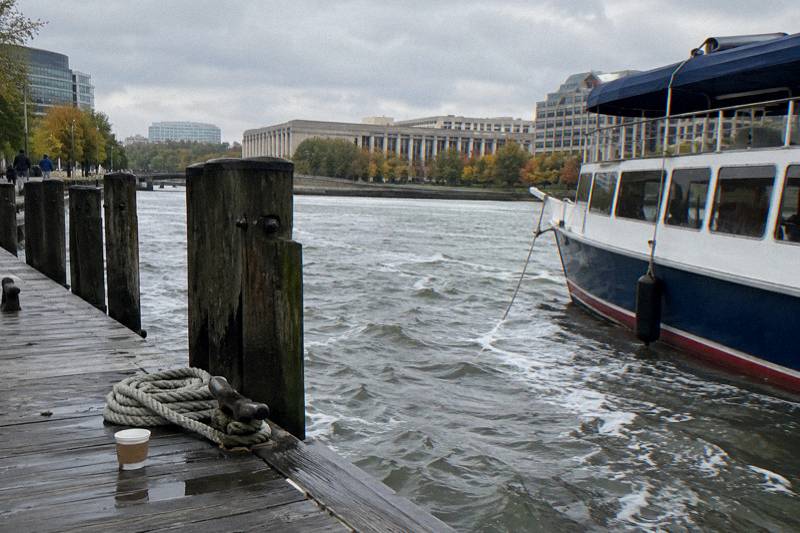
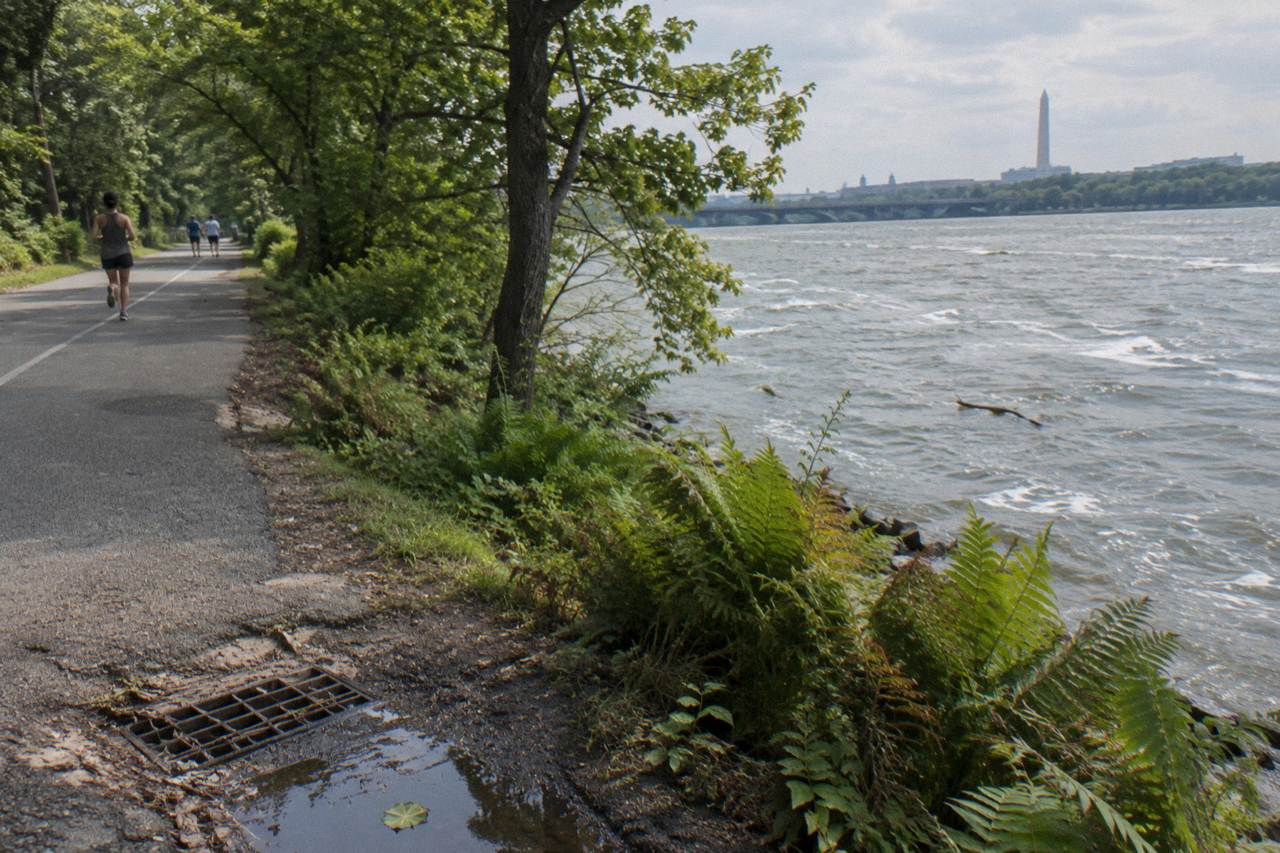
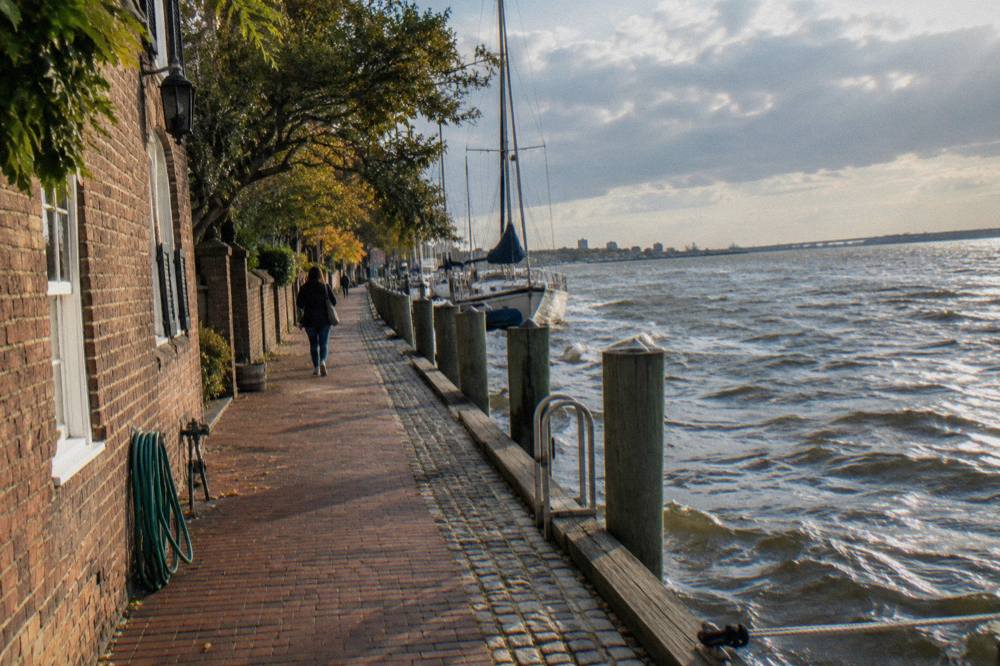
The ride's appeal is variety. The river is on one side nearly the whole way, with sailboats in the channel and the capital's skyline upstream on clear days. Old Town Alexandria's brick streets mark the halfway character of the outing, and the approach to Mount Vernon ends at the most visited historic house in the country. The estate, its grounds and the museum are the destination that anchors the whole day.
Practical details about the trail itself, its length, its surface and where to park, are published by the National Park Service rather than fixed in stone here, so check the parkway pages before you plan distances or timing. What is stable is the shape of the day: ride south along the river, arrive at the estate, spend time on the grounds, and return either by pedalling back or, on the guided options, by boat across the river. For riders who prefer a shorter first taste of riverside riding closer to the monuments, the Arlington and Potomac riverfront ride covers the upstream end of the same shore.
How Long Does The Alexandria To Mount Vernon Bike And Boat Day Take?
The two bike and boat packages currently listed run 4 hours to 7 hours and 6.5 hours respectively, the difference coming down to how much time the day spends at the estate and on the water. Both are self-ride packages: you get a bike, helmet and bike bag, a Mount Vernon estate ticket, and a boat leg, with an optional narrated river cruise on the shorter option, but no guide rides with you. The longer option is a full 6.5-hour day, and you set your own pace throughout. Those durations come straight from the tour listings, and they include the riding, the estate visit and the return leg rather than just saddle time. A rider planning the route alone should budget for the same three blocks: the ride down, hours at Mount Vernon itself, and the ride or boat back. Before you lock in that schedule, the parking guide for the Mount Vernon Trail covers where to leave your car if you're driving to the start of the ride.
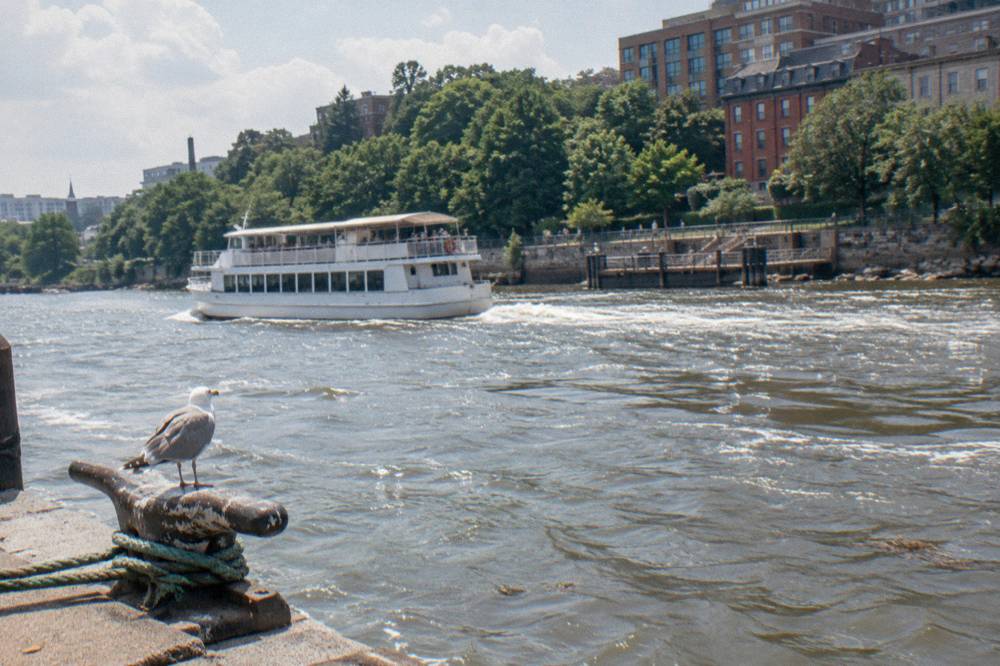
The structure of the day, not a guide, is what you are paying for beyond the bike. This is a self-ride package: no one leads the group, and the pace is your own. The listing for the 4 to 7 hour option describes a bike ride along the river to the estate, time on the grounds, and a return that can include a river cruise, which turns the homeward leg into part of the experience rather than a chore. The 6.5-hour option packs the same corridor into a fuller schedule. Both start from Alexandria, which keeps the riding on the quieter Virginia side of the river and away from Mall traffic.
Timing within the day matters more than most first-time riders expect. The estate is a destination in its own right, with a museum, working farm elements and river views from the piazza, and the crowd thins late in the afternoon. Riders going independently should also know that National Mall and Memorial Parks land is open 24 hours a day, per the park service's basic information page, though estate opening hours are separate and shorter, so check Mount Vernon's own site before locking in a late start.
The comparison worth making at the decision point is between the two Alexandria bike and boat options and a monument-focused day ride in the city, since they use the same kind of bike and the same kind of day but deliver completely different scenery. Riders short on time sometimes split the two across separate days.

What Do The Guided Mount Vernon Bike Tours Include?
Both are self-ride packages: the bike is yours for the day and no guide rides with you, the boat leg comes on the versions that list it, and exact inclusions such as estate admission, helmet and bike bag are stated on each booking page, so where a detail is not listed the safe assumption is that it is not included. The 4 to 7 hour option is listed with a classic bike, as is the 6.5-hour version. You set your own pace on the trail. At Mount Vernon, the estate ticket includes an audio guide for the grounds. Meeting point details are given per booking, in the Alexandria area, and the listing is the authority on the exact address and check-in time.
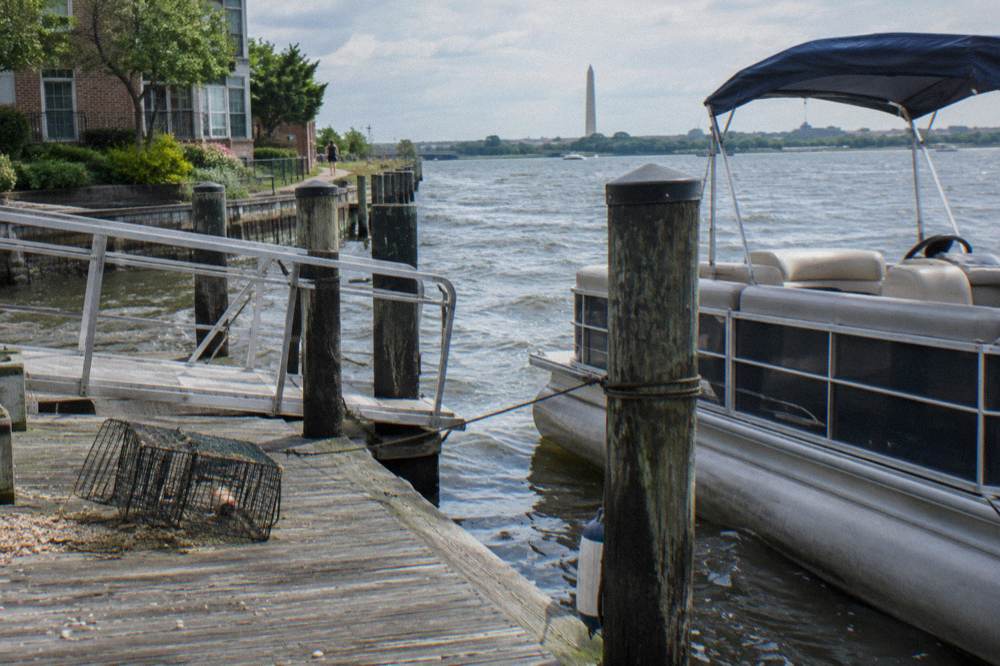
What the package covers on this route is logistics, not narration. The riverbank between Alexandria and Mount Vernon passes sites with stories that are easy to ride straight past, from Depression-era parkway engineering to the view multiple presidents have had from the water. A rider on the bike and boat package gets a bike, helmet and estate ticket, and travels under their own steam, so any background reading is up to them; the estate's audio guide fills in some of it on arrival. Pacing is also yours to manage, which on a 4 to 7 hour day is a real skill: arriving at the estate with enough time left to enjoy it is the whole game. For a day planned independently on the trail, the guide to how long it takes to bike from Alexandria to Mount Vernon covers what moves the total, from riding pace to stops along the way.
Two practical notes from DC-area rules. Helmets are required by law for anyone under 16 riding on a public roadway or path, per the DC Code on bicycle helmets, and while the trail is federal parkland the same habit is wise for every rider. And bicycles are welcome throughout National Mall and Memorial Parks, with parking provided near major memorials and riding inside the memorials themselves not permitted, as the park service bicycling page sets out; the Mount Vernon end has its own estate rules about where bikes can go.
Riders weighing this day against a monuments-first introduction to the city can read the National Mall monuments by bike route guide for the other half of the region's riding.
When Is The Best Time Of Year To Ride The Mount Vernon Trail?
The best riding window on the Potomac riverbank runs April through June and September through October, when NOAA's 1991 to 2020 normals for Washington give average highs of 68.0 to 85.1 degrees and rain on roughly 6 to 7 days a month. July and August average highs of 89.6 and 87.8 degrees respectively, which makes a full-day riverside ride a heat-management exercise. Those figures are long-term averages, not forecasts, but they frame the choice well. Spring adds fresh leaf cover along the trail; autumn adds colour and cooler mornings that suit a long day in the saddle.
Winter riding is entirely possible and often empty. January normals sit at an average high of 44.8 and an average low of 30.1 degrees, with rain on fewer than 6 days a month, so a dry winter day can deliver the riverbank almost to yourself, at the cost of cold hands and a shorter estate visit window. The table below shows the full normals picture.
| Month | Avg high (F) | Avg low (F) | Rain days | Ride verdict |
|---|---|---|---|---|
| January | 44.8 | 30.1 | 5.7 | Cold but often dry; quiet trail |
| February | 48.3 | 31.8 | 5.4 | Similar, slowly warming |
| March | 56.5 | 38.6 | 6.5 | Warming; blossom crowds upstream |
| April | 68.0 | 48.4 | 6.4 | Prime window |
| May | 76.5 | 58.0 | 7.3 | Prime but showery |
| June | 85.1 | 67.5 | 6.5 | Warm; start early |
| July | 89.6 | 72.4 | 6.7 | Hot; shade and water matter |
| August | 87.8 | 71.0 | 5.6 | Hot; earliest listed tour start |
| September | 80.7 | 64.1 | 5.8 | Excellent after the heat breaks |
| October | 69.4 | 52.2 | 4.9 | Best mix of temperature and dry days |
| November | 58.2 | 41.6 | 5.0 | Cool, quiet, fine with layers |
| December | 48.8 | 34.5 | 6.4 | Short days; check sunset |
Late March and early April deserve a caveat. The cherry blossom window, typically the last week of March into the first week of April with the 2026 peak reached on March 26, draws heavy crowds to the Tidal Basin and the upstream trail approaches, and the cherry blossom season by bike guide covers that trade-off in detail. The Alexandria end of the river stays calmer, but lodging and trail traffic ripple region-wide that fortnight.
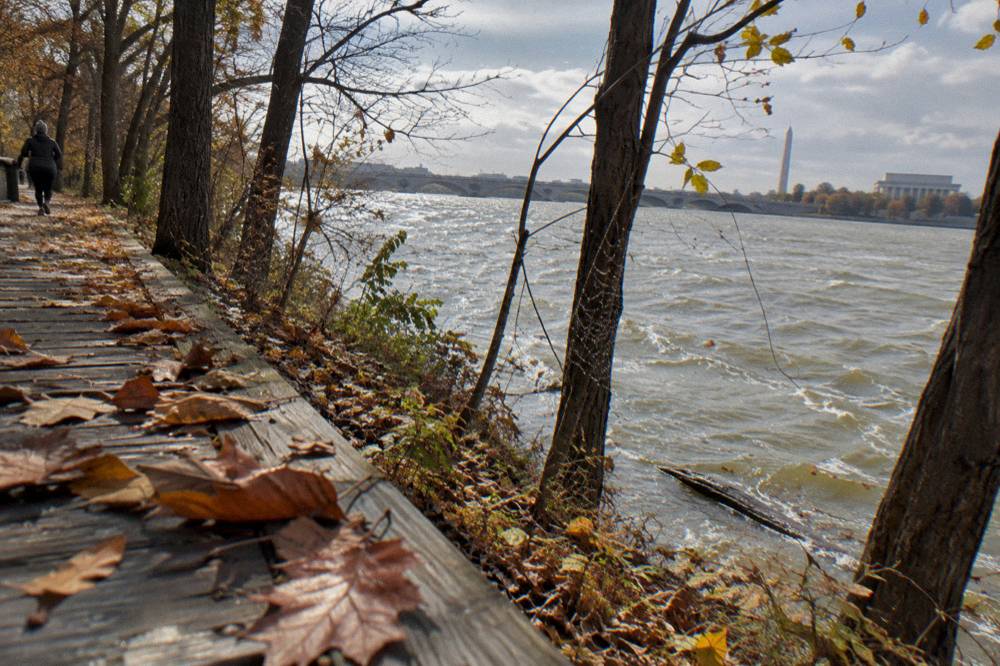
For riders who do go in the hot months, the biking DC in summer heat guide has the pacing and gear detail, and the same logic applies here: the guided morning departures exist partly because of those July and August normals.
Guided Or Self-Guided: Which Mount Vernon Ride Suits You?
A self-ride bike and boat package suits riders who want the bike, helmet, estate ticket and return leg by boat handled, at a listed duration of 4 to 7 hours or 6.5 hours; no guide rides with you, so the pace along the river is your own. A fully independent ride suits confident cyclists who already have a bike and don't mind arranging estate tickets and the boat themselves. The choice is mostly about logistics appetite rather than fitness. The corridor is not technical, and the wayfinding along the river is followable, so the package's value concentrates in the boat booking, the included estate ticket with its audio guide, and the guarantee of a working bike at the start.
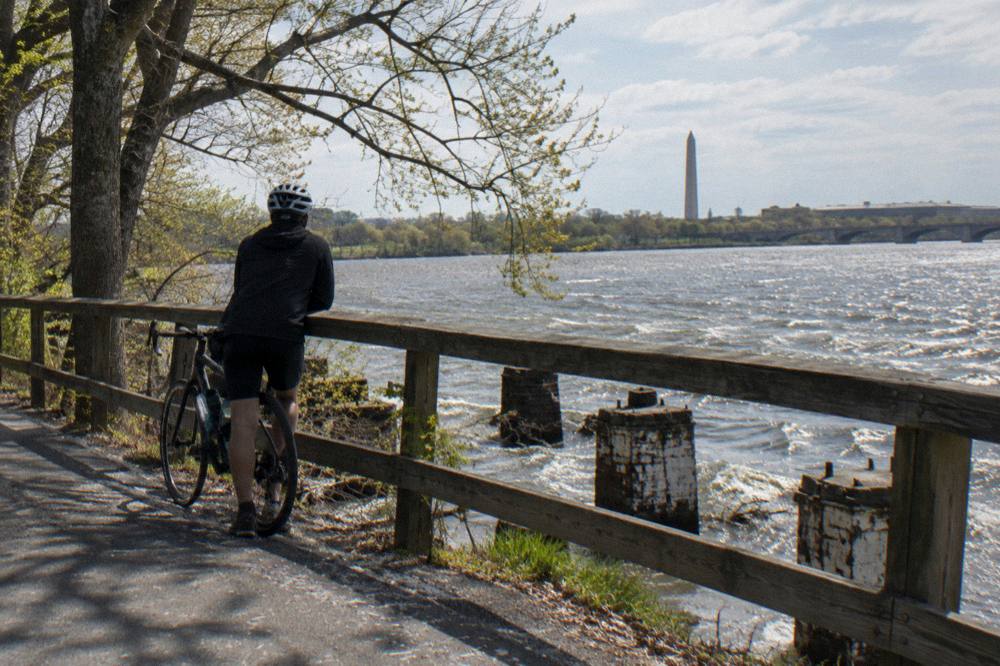
Cost is the other axis. Current prices for both guided options are shown on their booking pages, and the honest comparison for an independent rider is the sum of a rental, an estate ticket and a one-way boat fare, which shifts with season and availability. Riders who already hold a Capital Bikeshare membership might run the numbers against the system's day pass at $10 per 24 hours with classic rides free for the first 45 minutes then $0.05 per minute, though for a point-to-point day with a boat return, a dock-to-dock system adds its own constraints; the Capital Bikeshare or a guided ride guide works through that comparison properly.
| Factor | Guided bike and boat day | Fully self-guided ride |
|---|---|---|
| Duration | 4 to 7 hours, or 6.5 hours listed | Your own schedule |
| Bike | Included per the listing | Rental or your own |
| Route finding | Guide leads | You follow the river and signage |
| Estate admission | Check the booking page | Bought separately |
| Return leg | Boat, on cruise versions | Pedal back or arrange transport |
| Commentary | Included | Bring your own |
| Group | Shared format | Solo or your party |
Weather flexibility is worth asking about either way. Operators of outdoor tours generally reschedule or refund in genuinely unrideable conditions, but the terms live on the booking page, and the NOAA climate normals tell you which months make that clause most likely to matter.
What Should You Know Before Riding Along The Potomac?
Bring water, sun protection and layers, plan the estate visit as the centrepiece rather than a quick stop, and check two things the night before: the park service's current closure notices for the river corridor, and Mount Vernon's own opening hours. Bikes are welcome on the parkland but rules about riding within memorial and estate grounds apply. The trail corridor has seen periodic work notices through 2026, including nighttime closures of Maine Avenue SW, Ohio Drive and East Basin Drive SW for the Long Bridge project, so a quick look at the park service notices saves a surprise detour.
Riding the return instead of taking the boat doubles the day's saddle time, which is fine for regular cyclists and a lot for occasional ones. The how fit do you need to be guide gives an honest framing, and the short version is that the riverbank is gentler than the city's climbs but the day is long. E-bikes change that math; a rider considering electric assistance can read the e-bike or regular bike guide for DC's motorized bicycle rules, which cap the motor's assist at 20 mph on level ground.
Two closures currently in force affect the upstream end of the river, not the Alexandria stretch: the Lincoln Memorial Reflecting Pool and its adjacent walkways are closed until November 20, 2026, and the Washington Monument grounds' west side is closed through January 23, 2027. Neither blocks the Mount Vernon ride, but riders combining the estate day with a monument loop should check the notices first.
What Else Can You Combine With A Potomac River Ride?
The natural pairings are a monuments day ride before or after the estate day, an evening monuments ride if your legs still work, or a Georgetown and Capital Crescent ride from the river's upstream end. All three use the same core skills and gear, so one bike day tends to turn into two or three. Riders with a full weekend commonly do the Mount Vernon corridor one day and the Mall the next, which together cover the historic estate and the memorial core without repeating scenery.
For families, the estate destination is a strong motivator, and the family bike rides in DC guide covers which formats suit younger riders; the listed private family-friendly ride is a 3-hour classic-bike format. Riders based in the city without a car should also skim getting around DC for how the Metro interacts with a bike day, since the Alexandria start is transit-reachable.
| Ride idea | Format | Listed duration | Best paired with |
|---|---|---|---|
| Mount Vernon bike and boat | Classic, shared, boat return | 4 to 7 hours | A free evening afterward |
| Full Mount Vernon day | Classic, shared | 6.5 hours | Nothing; it is the day |
| Monuments and memorials ride | Classic, shared | 3 hours | The estate day, next morning |
| Night monuments ride | Classic, shared | 3 hours | Legs that still work |
| Tidal Basin e-bike ride | E-bike, shared | 3 hours | A shorter second day |
The underlying point is that Bike Tours Washington DC exists because the capital region rewards two wheels in more places than the Mall, and the Potomac corridor south of Alexandria is the clearest case: a historic destination, a river, a boat and a bike path in a single day.
Common Questions About The Mount Vernon Trail
How Long Does The Alexandria To Mount Vernon Bike And Boat Day Take?
The listed options run 4 hours to 7 hours and 6.5 hours. The shorter option includes an optional river cruise return; check each booking page for the current schedule and inclusions.
Is The Mount Vernon Trail Suitable For Beginners?
The corridor is a riverside path without technical demands, and the self-ride packages use classic bikes, ridden at your own pace with no guide leading the group. What beginners should weigh is total day length rather than difficulty.
Do I Need To Bring My Own Bike For The Guided Mount Vernon Ride?
No. Both listed options include the bike for the day. Helmets, estate admission and other specifics are stated on the booking page; where something is not listed, assume it is not included.
What Is The Best Month To Ride The Mount Vernon Trail?
On NOAA's 1991 to 2020 normals, April through June and September through October give the best mix of temperature and daylight, with average highs from 68.0 to 80.7 degrees across those months. October is the driest month at 4.9 rain days on average.
Can I Ride Back From Mount Vernon Instead Of Taking The Boat?
Yes, on a self-guided day the return is yours to plan, though it doubles the saddle time. On the guided options with the cruise leg, the boat is the listed return, so check the booking page before assuming flexibility.
Are There Closures That Affect The Ride?
The Alexandria stretch has no ride-blocking closure listed by the Park Service, but the corridor has seen periodic work notices, including nighttime Long Bridge project closures on Maine Avenue SW and Ohio Drive. Check the park service notices the day before you ride.