How Long Does It Take To Bike From Alexandria To Mount Vernon?
The Alexandria to Mount Vernon ride explained: how long guided tours take, what a self-guided day depends on, and how to pick between the options.
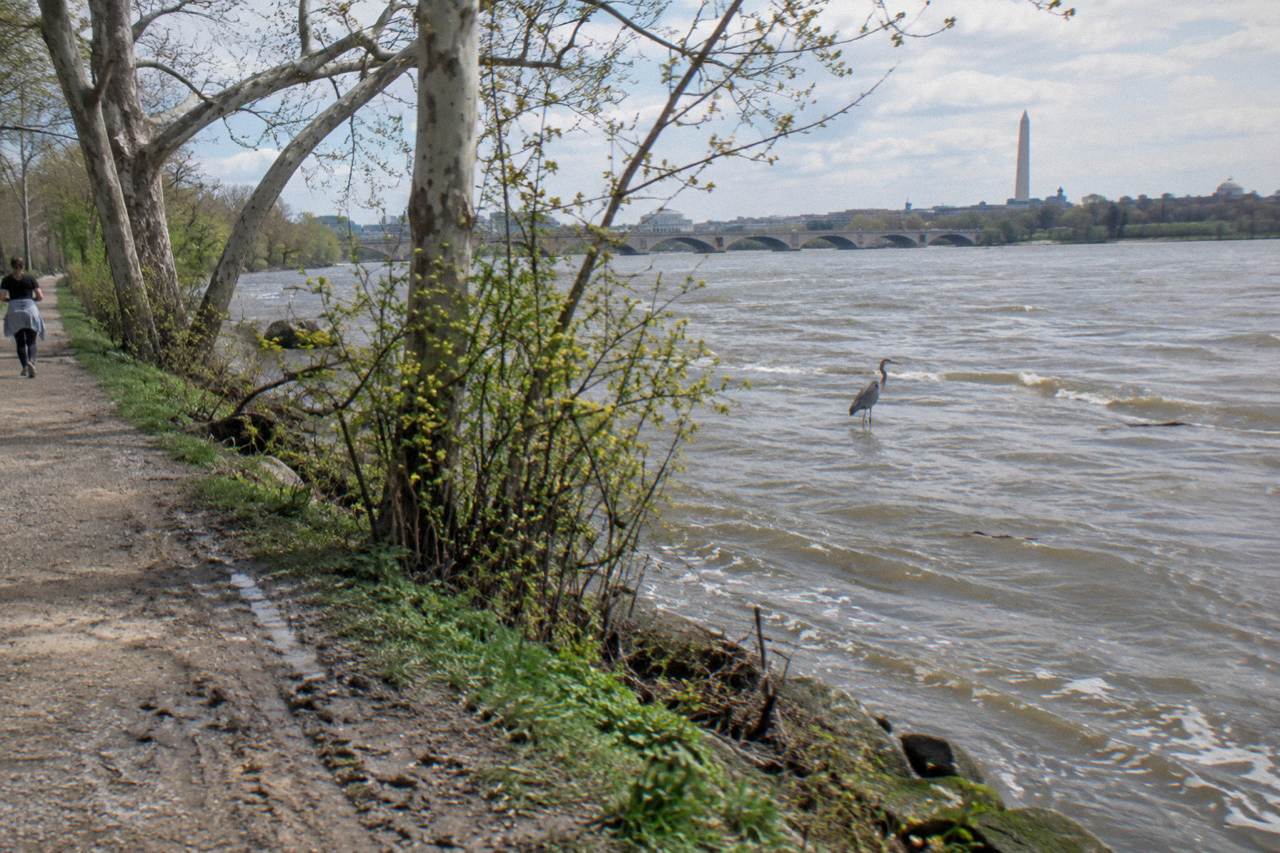
There is no single published ride time for the Alexandria to Mount Vernon route, and any minute count you see quoted elsewhere deserves caution. What is documented is the guided day: one operator lists its Alexandria to Mount Vernon Bike and Boat Tour at 4 to 7 hours door to door, and a second operator's version runs about 6.5 hours. A self-guided ride depends entirely on your pace, your stops and how long you linger at the estate. Whatever your pace, most of the ride follows the Mount Vernon Trail, and our guide to riding the Mount Vernon Trail covers what to expect along that riverside stretch.
That answer surprises people who expect a neat number. The route between Old Town Alexandria and Mount Vernon is one of the most ridden stretches in the Washington region, and riders complete it at wildly different speeds. A commuter on a road bike treats it as a morning workout. A family with children on rental cruisers turns the same path into a full day with picnic stops. A guided group rides it as the first half of a longer outing that ends on the water. If you're driving in to start the ride, our parking guide for the Mount Vernon Trail covers what to check before you leave and how the bike and boat outings run.
The honest framing is this: the ride itself is the middle chunk of the day, not the whole day. You have to get to Alexandria, you want time at Mount Vernon itself, and the trip back either doubles the ride or becomes a boat leg. When you budget the day, the bicycle portion is one variable among several.
For the guided options, the durations come straight from the operators. The listing for the Alexandria to Mount Vernon Bike and Boat Tour states 4 hours to 7 hours, a range that reflects seasonal boat schedules and time at the estate. A second operator's version of the same day, which it lists at about 6.5 hours, is the longer, fuller variant. If a specific departure matters to your schedule, check the booking page for that day's timing before you commit.
Why does the guided day run to half a day or more when the ride is only part of it? Three reasons, and each one also applies to a self-guided trip. First, Mount Vernon is not a five minute photo stop. The estate, the mansion tour, the grounds and the museum together are the destination, and most visitors want at least a couple of hours there. Second, the route hugs the Potomac, and the river views pull people off the bike repeatedly. Third, the return. Riding back doubles the distance; the boat version trades the return ride for a cruise, which is its own experience and its own block of time.
A note on numbers: trail length figures circulate widely online, but this site does not print a mileage for this route because the official pages backing those figures were not verifiable at write time. Treat any specific mile count you see elsewhere with the same skepticism, and plan by time and stops instead. This is also the practical answer when someone asks the question at a dinner party: the honest response is another question, namely what kind of day do you want, because that determines the clock far more than the pedals do.
What A Guided Alexandria To Mount Vernon Day Looks Like
A self-ride day runs roughly 4 to 7 hours end to end and follows a consistent shape: pick up the bike, helmet and estate ticket in Alexandria, ride south along the Potomac, take as long as you like at Mount Vernon, then return by bike or by boat depending on the option. The 6.5 hour version is the fuller day. No guide rides with the group; the route, the timing and the estate visit are yours to set, which is the real appeal of this one.
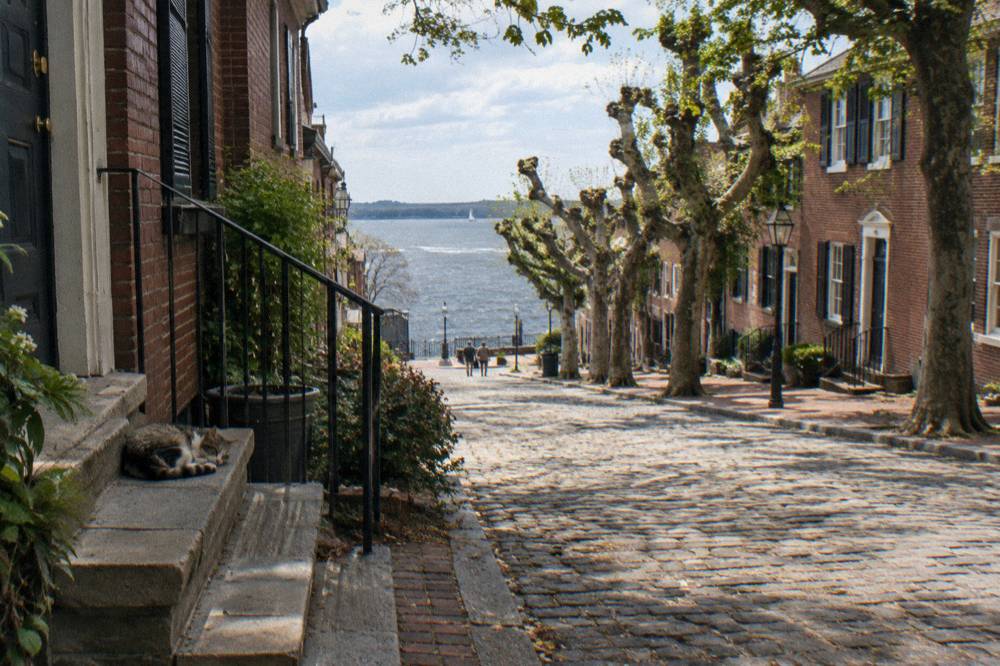
The Alexandria start is part of the appeal. Old Town is a natural meeting point, with its waterfront, its brick streets and its Metro access, so the day begins somewhere pleasant rather than at a car park. From the waterfront the route follows the river south, past riverbanks, quiet coves and overlooks that most visitors driving down the George Washington Memorial Parkway never see. Arriving by Metro keeps the whole outing car-free, which matters if you are visiting without a vehicle and would otherwise be stitching together transit, parking and a bike rental on your own.
The Mount Vernon portion is the anchor. However long the ride took, the visit is where the day's biggest block of time goes, and that is as it should be. The estate is the centerpiece, and guided versions build the schedule around giving the group real time there rather than a rushed walkthrough. Anyone who has tried to see a major historic site on a tight schedule knows the failure mode: you spend the whole visit watching the clock instead of the mansion. The guided format exists partly to prevent exactly that.
The boat leg is what separates these tours from an ordinary ride. On the bike and boat versions, the return to Alexandria happens on the Potomac, which turns the trip back into sightseeing and gives the legs a rest. It also explains the duration range: boat departures are scheduled, not on demand, so the total day flexes with the timetable. If the sailing portion is the part that interests you most, confirm on the booking page whether your departure includes it, since the two operators package the day slightly differently.
Where The Ride Starts And What Is Included
Both Mount Vernon bike and boat tours meet in Alexandria, and the inclusions that matter are the bike, the guide and the boat leg; the specifics, including the estate ticket and food, vary by option and are spelled out on each booking page. Self-guided riders should plan a rental from an Alexandria shop or a dock-based bike share, plus their own estate admission.
For the guided tours, the meeting point is in Alexandria, which keeps the whole day car-free if you arrive by Metro. What is and is not included differs between the two operators' versions, so treat the inclusion list on the booking page as the source of truth rather than assuming. The questions worth checking: is the Mount Vernon admission ticket bundled, or bought separately on arrival; is the boat leg one way or round trip; what food, if any, is provided. None of these change how long the ride takes, but any one of them can change how the day feels, and a bundled estate ticket removes the single longest queue you would otherwise stand in.
Self-guided riders have a different checklist. You need a bike, a lock for the estate visit, water, and a realistic sense of the day's shape. This site's longer route guide, the Mount Vernon Trail by bike from Alexandria, covers the route itself, the access points and the waypoints in the depth this article does not need to repeat. Read that before the timing question, because the route's character is what determines how long you will want to take over it.
One planning note that applies on either version: DC-area law requires a securely fastened helmet for anyone under 16 riding on a public roadway or path, per the district code on bicycle helmets. Guided tours provide helmets for riders, and the rental path should too; confirm on the booking page.
For the mechanics of riding near the river and the parks, the National Park Service bicycling information page for National Mall and Memorial Parks states the standing rules: bicycles are welcome, parking is provided near major memorials, and riding inside the memorials themselves is not permitted. That page governs the Mall end of the region; the parkway-side route to Mount Vernon is a separate jurisdiction, but the same culture of walking the bike through sensitive areas applies.
Biking The Mount Vernon Trail: What To Expect Along The Way
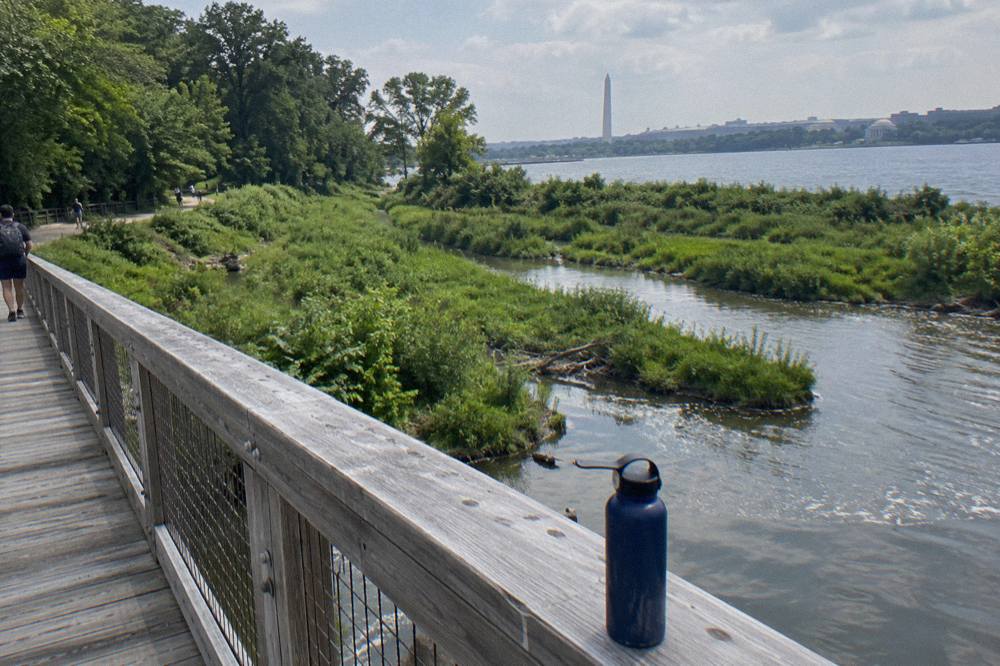
The route from Alexandria to Mount Vernon is a riverside path the whole way, generally flat, shared with pedestrians, and punctuated by overlooks, woodland stretches and small parks that beg for stops. Its character is leisure, not challenge. The two things that most affect your time are pedestrian traffic in busier sections and how often the river views pull you off the bike, and both argue for building slack into the day.
Calling it a trail undersells the variety. The stretch south of Old Town alternates between open river views, shaded sections and quieter stretches where the Parkway hums past on the inland side. On a weekday morning it can feel almost private. On a spring weekend it fills with families, joggers and inline skaters, and a considerate rider slows down and takes the scenery in rather than fighting for pace. This is worth repeating to yourself on a busy Saturday: the path is shared, the etiquette is real, and the reward for patience is a better day.
The surface and gradient are friendly. This is not a climb; it is a river corridor ride that stays close to the water. That is why the same route works for a guided group of mixed abilities on rental cruisers and for a solo rider on a fitness bike, at completely different speeds, on the same morning. It also means the usual fitness worries are mostly misplaced here. Riders who wonder whether they are up to a full day of cycling should read the site's guide on how fit you need to be for a DC bike ride; the short version is that flat riverside routes like this one sit at the easy end of the spectrum.
What eats time is the stops. The overlooks over the Potomac, the small parks along the way and, in season, the green of the riverbank make this a route that rewards dawdling. A rider who plans a straight there-and-back is planning the wrong trip. Budget for pauses, and the question stops being how fast you can cover the ground and becomes how you want to spend the hours.
Guided or self-guided, the same route behavior applies, and a guide changes the experience rather than the path. On the guided versions the group rides together at a social pace, the guide sets the stop schedule, and nobody is consulting a phone map at a junction. Self-guided riders trade that convenience for the freedom to leave when they like and linger where they like. Neither is wrong; it depends whether your priority for the day is efficiency or autonomy.
Which Season Gives You The Best Ride
Spring and fall are the strongest windows for this ride: April averages a high of 68 degrees and October 69.4, with five to six days of rain each, comfortable numbers for a half day on a bike. Summer highs in July average 89.6, which pushes smart riders to an early start. Winter is workable but cold, with January highs averaging 44.8 and lows below freezing.
Those figures come from the NOAA 1991 to 2020 climate normals for Washington Reagan National Airport, which are long-run averages, not forecasts. They describe the ride's seasons well, because Alexandria sits just across the river from the airport and shares its climate. Averages hide extremes, so treat them as a planning band, not a promise. A cool April morning can still surprise you, and an October heatwave happens; the normals tell you what is typical, not what a given Tuesday will do.
| Month | Avg High | Avg Low | Rain Days | Ride Verdict |
|---|---|---|---|---|
| March | 56.5 | 38.6 | 6.5 | Cool, variable, early spring |
| April | 68.0 | 48.4 | 6.4 | Prime riding weather |
| May | 76.5 | 58.0 | 7.3 | Warm, green, busier paths |
| June | 85.1 | 67.5 | 6.5 | Early starts recommended |
| July | 89.6 | 72.4 | 6.7 | Hot; ride at dawn |
| September | 80.7 | 64.1 | 5.8 | Warm but easing |
| October | 69.4 | 52.2 | 4.9 | Best overall balance |
One seasonal wrinkle worth knowing: the last week of March into the first week of April is the typical cherry blossom window in Washington, and the crowds that draw to the Tidal Basin also thicken the region's riverside paths. The bloom itself does not reach the Alexandria to Mount Vernon corridor at Tidal Basin density, but visitor volume in the area rises with it. If your date is flexible and you want quiet paths, aim late April into May, or October.
Season also changes the boat leg. Daylight hours stretch in June and shrink by November, and sunset in the district arrives just after 6 p.m. at the end of October, so late-season departures run on a tighter clock than midsummer ones. If a golden-hour cruise back to Alexandria is part of the appeal, check what time the boat actually leaves on your date, because the answer differs meaningfully between May and October.
Guided Tour Or Self-Guided: Which Fits Your Day
Choose guided if you want the day's logistics solved: bike, guide, route and boat leg arranged, with a stated 4 to 7 hour or 6.5 hour duration you can plan around. Choose self-guided if your time budget is tight or unusually loose, or if you want to set your own pace. The deciding factor is usually the boat, the one part that is hard to replicate on your own.
The comparison that matters is not speed, because a guide does not make the route faster. It is certainty. A guided booking comes with a stated duration, a meeting point and a known shape to the day. A self-guided ride is fully flexible but fully yours to manage, from the rental to the estate ticket to the return trip. Neither answer is universal, and plenty of experienced local riders do this route self-guided every spring while first-time visitors are better served by the guided package.
| Option | Stated Duration | What It Covers | Best For |
|---|---|---|---|
| Bike and boat tour (4 to 7 hours) | 4 to 7 hours | Ride south, Mount Vernon visit, boat return | The full experience, first visit |
| Bike and boat tour (about 6.5 hours) | About 6.5 hours | The fuller guided day with boat leg | Unhurried sightseeing |
| Self-guided ride | Your call | Bike rental, own estate admission | Flexibility, short budgets |
| Monuments ride alternative | 3 hours | A guided National Mall circuit | A different DC day entirely |
There is a scenario where the guided day is the wrong tool. If your available time is, say, three hours total, no version of Mount Vernon fits, and the honest move is a different ride. A National Mall monuments circuit is the natural swap: the monuments and memorials bike tour runs a stated 3 hours, covers the Mall's core, and you can compare it against the city's other guided rides on Bike Tours Washington DC. That tour does not touch Mount Vernon, but it answers the same underlying want, a memorable DC bike day, inside a tighter window.

For riders who finish this route wanting more of the river, the corridor connects toward Arlington and the Potomac riverfront; the site's Arlington and Potomac riverfront riding guide picks up where this one ends. And if the planning instinct takes over, the best time of year to bike in Washington guide works through the whole calendar in detail.
One more variable belongs in this decision: the season. The fuller guided day keeps you outside the longest, so it earns its spot in a month with dependable weather odds, and October is this corridor's statistical standout for dry, mild riding conditions. Shorter commitments, like the 3-hour monuments circuit, are the easier call when the forecast looks mixed, since less of the day is exposed to it.
If the monuments circuit ends up as your swap, carry one planning note with you: the Long Bridge work behind the October 2026 closures affects river-edge roads at the north, DC end of the corridor, so the same NPS notice deserves a quick read before a Mall riding day too.
And one small note for the self-guided branch: the under-16 helmet rule puts children's helmets on your rental checklist, whereas the guided packages show up with them already supplied, one less item to pack.
Common Questions About Biking From Alexandria To Mount Vernon
How Long Does It Take To Bike From Alexandria To Mount Vernon?
There is no single set ride time. Guided bike and boat tours list the full day at 4 to 7 hours, or about 6.5 hours on the longer version, including the estate visit and the boat leg. A self-guided ride depends on pace and stops.
Is The Ride From Alexandria To Mount Vernon Hard?
No. The route is a riverside path that stays close to the Potomac and is generally flat, shared with pedestrians. It suits casual riders, families and mixed-ability groups. Busier sections simply call for slower riding.
Do The Guided Tours Include The Mount Vernon Ticket?
Inclusion details vary between the two operators' versions. Check the booking page for the specific departure to confirm whether estate admission is bundled, and whether the boat leg is one way or round trip.
Can You Ride Back From Mount Vernon Instead Of Taking The Boat?
Yes, self-guided riders commonly ride both directions, which doubles the riding. Guided bike and boat versions use the boat for the return leg, which is why their stated durations run to half a day or more.
What Is The Best Month For This Ride?
April and October, on the NOAA averages: highs of 68.0 and 69.4 respectively, with April at 6.4 rain days and October at 4.9. July averages a high of 89.6, so summer riders should start early.