How Fit Do You Need To Be For A DC Bike Ride
Most guided rides in Washington DC are built for casual riders, not cyclists. Here is what the terrain, the pace and the tour formats actually ask of your legs, and how to tell whether an e-bike is the smarter pick.
Short answer
You need everyday walking fitness, not athletic training. The National Mall and its memorial loop are famously flat, guided rides last 2 to 3 hours with frequent photo stops, and e-bike versions exist for the classic 3-hour monuments route and the Tidal Basin loop. Anyone comfortable riding a bike around a park can manage the standard tours.
How Fit Do You Need To Be For A DC Bike Ride?
The honest answer is: about as fit as you need to be for a long morning of sightseeing on foot. Guided rides in Washington DC run 2 to 3 hours at a touring pace, on terrain the National Park Service itself describes as welcoming to bicycles, with stops at nearly every memorial. Riders who cycle a few times a year at home manage these tours without trouble, and e-bike options remove most of the remaining doubt.
That surprises people who picture a bike tour as a workout. It is not. A DC guided ride is closer to a walking tour that happens to have wheels: the group rolls for a few minutes, then stops, then rolls again while the guide talks. The tour operators design these routes for first-time visitors, families and older riders, because that is who books them. Nobody on a vacation monuments tour is trying to set a pace.
Still, "easy" is a relative word, and the question deserves a real answer rather than a shrug. This guide breaks the difficulty question into the pieces that actually matter: the terrain under your wheels, the distance and pace the tours set, the difference between a classic bike and an e-bike, the needs of kids and older riders, and the way Washington weather changes how a ride feels. Each section stands alone, so you can jump to the part that answers your specific worry.
One thing this guide will not do is print numbers nobody can verify. Where a distance, pace or effort figure is not stated by the operator or the park service, the answer here is to check the booking page, because inventing a mileage figure would be exactly the kind of false precision that ruins a travel plan.
Is The National Mall Actually Flat?
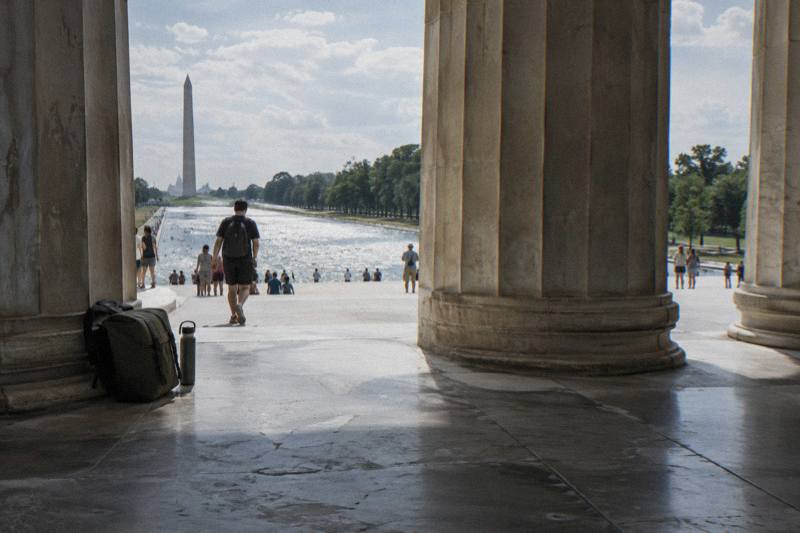
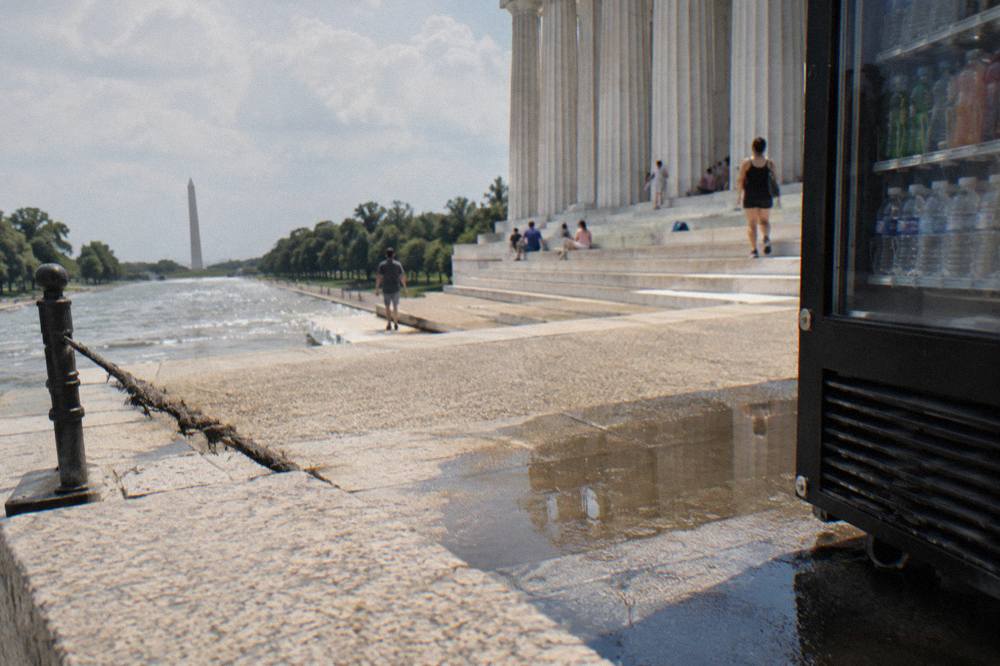
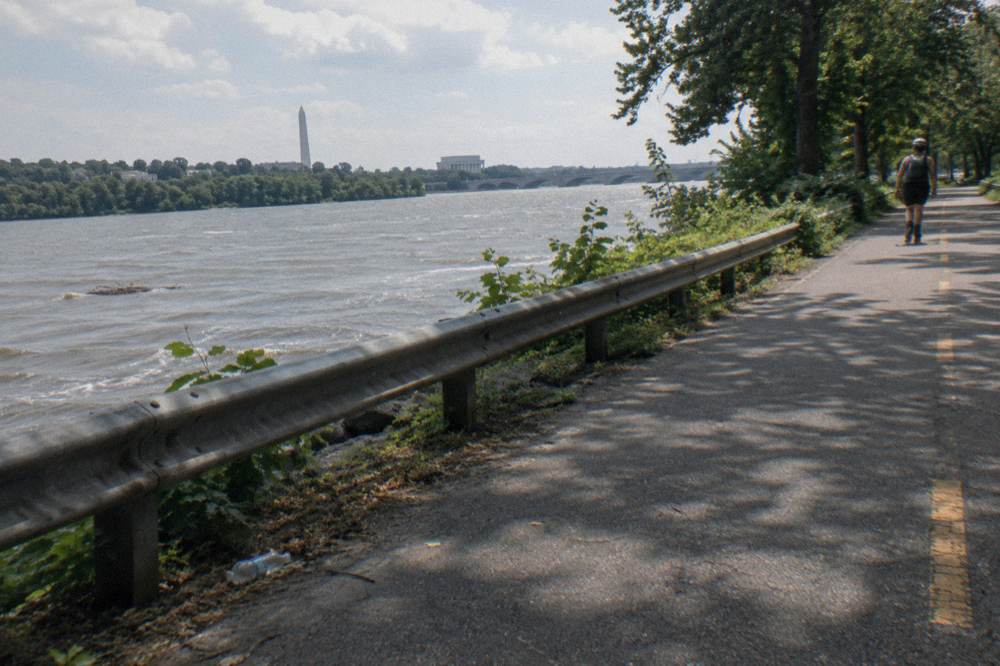
Yes, in general terms the Mall and the memorial corridors around it are flat, which is the single biggest reason the tours here suit casual riders. There are no sustained climbs anywhere on the core monuments circuit, only gentle rises you barely notice, such as the slopes up to bridge crossings and the approach around Capitol Hill. The park service welcomes bicycles throughout National Mall and Memorial Parks, and the riding is on paths, not mountain roads.
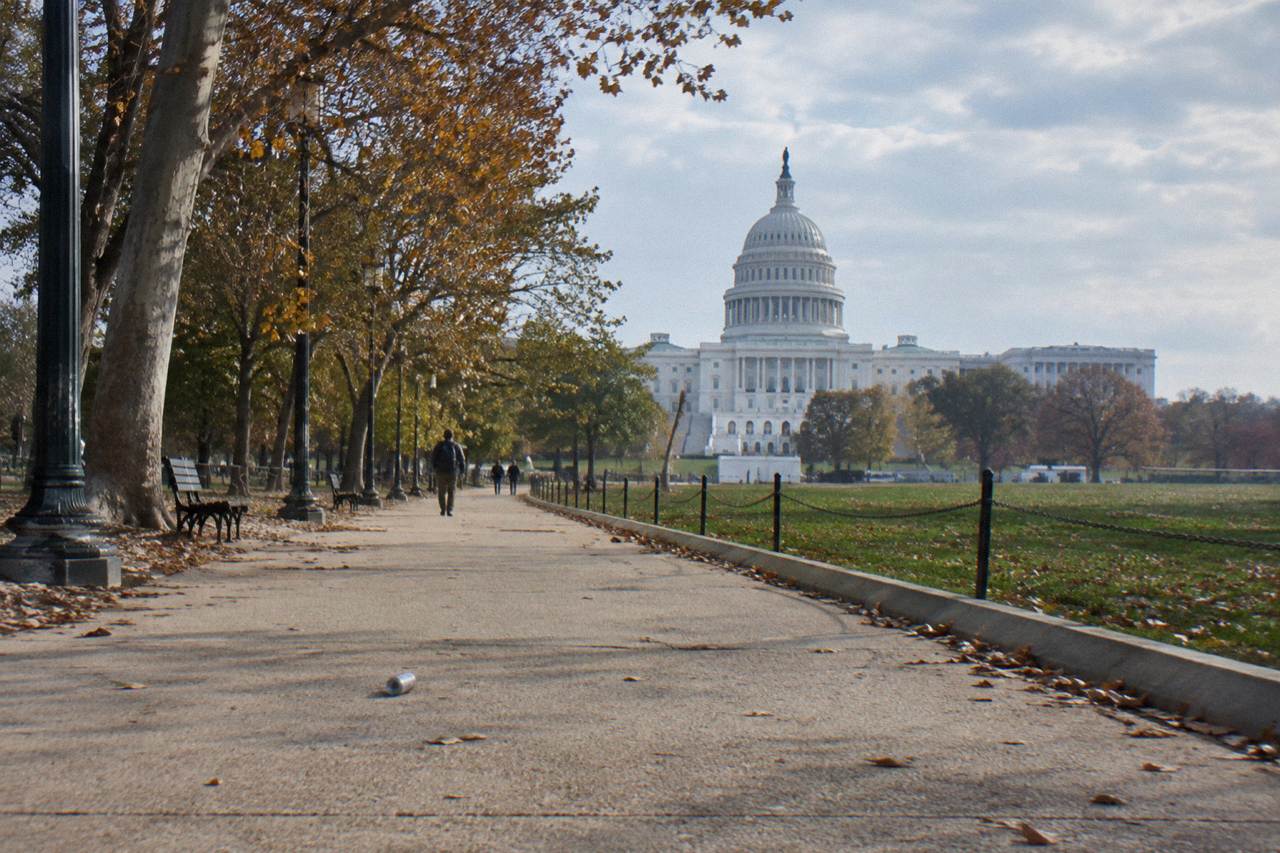
The terrain story in Washington is unusually friendly. The city sits on flattish land along the Potomac, and the core sights cluster on one continuous stretch of it: the Capitol at one end, the Lincoln Memorial at the other, the Washington Monument in the middle, the Tidal Basin looping off to the side. A rider noticing elevation at all will notice it around Capitol Hill, where the 2-hour Capitol Hill tours do include some gentle uphill stretches, and on bridge approaches if a route crosses the river. That is the full extent of it.
What the flatness means practically is that the effort in DC comes from duration and wind, not from climbing. A three-hour ride at touring pace is a sit-bones question more than a leg question. Riders who have done a rail-trail or a beach boardwalk loop at home have already trained for the terrain here, even if they have never called it training.
There are two rules from the park service worth knowing because they shape how a ride feels on the ground. Bicycles are welcome throughout the park, and there is bicycle parking near each major memorial, but riding inside the memorials themselves is not permitted: you walk the bike through the World War II and Franklin Delano Roosevelt memorials, or lock it up before entering any other one. Those walk-through moments are built into every tour's rhythm, and they double as rest breaks. More detail on the rules is in our guide to helmets and bike rules on the Mall.
If flatness is the thing that worried you, the three rides below span the effort range on offer: an e-bike version of the big monuments loop, a shorter classic-bike Capitol Hill ride, and the classic 3-hour monuments tour.
Between those formats, the choice is mostly about time and motor preference rather than fitness thresholds. The 3-hour classic monuments ride is the benchmark most people measure themselves against, and the answer for almost everyone is that they clear it comfortably.

How Far Do You Ride On A Guided DC Tour?
No operator publishes an exact mileage for these routes, so treat any number you see online with suspicion, but the structure is consistent: a 3-hour monuments tour covers the full Mall and the Tidal Basin side with stops at the major memorials, while the 2-hour rides concentrate on either the monuments core or Capitol Hill. Time in the saddle, not distance, is how these tours are actually measured.
The tour descriptions work in hours because that is what a rider feels. The guided rides in DC listed here split cleanly by duration: 2-hour classic rides covering Capitol Hill highlights or the cherry blossom loop, 3-hour classic and e-bike rides covering the full monuments circuit by day or night, a 4-hour e-bike ride starting from Bethesda, and a 6.5-hour Alexandria to Mount Vernon day. Every one of those longer rides, not coincidentally, is either e-bike or off the Mall entirely, because distance beyond about three hours is where operators start wanting a motor under you.
| Tour format | Time on the listing | Bike type | Effort character |
|---|---|---|---|
| Easy Capitol Hill highlights | 2 hours | Classic | Shortest guided option, gentle hills around the Hill |
| Monuments and memorials loop | 3 hours | Classic or e-bike | The benchmark ride, flat core with frequent stops |
| National Mall and Tidal Basin loop | 3 hours | E-bike | Same ground as the monuments loop with motor assist |
| Bethesda start, National Mall e-bike | 4 hours | E-bike | Longest e-bike day, motor carries the extra distance |
| Alexandria to Mount Vernon day | 6.5 hours | Classic | The one genuinely demanding guided ride |
Pace is a fairer worry than distance, and here the news is good: these are shared, guided group rides, not races. The guide sets a sightseeing pace, waits at turns and stops to talk at the memorials, which is the whole product. If your mental picture is a cycling club rolling two abreast at speed, replace it with a school of bikes drifting between photo stops. Riders who want a sense of the rhythm can read our walkthrough of the National Mall monuments route and its stops.
For anyone whose knees or lungs raise a flag at the words "three hours," the same circuit exists with a motor, which is the subject of the next section.
The reassurance worth holding onto is cancellability: most of these rides can be booked with free cancellation up to a day or so before, so you can reserve a standard tour, see how your legs feel in Washington, and adjust without penalty. Check the specific terms on the booking page before relying on it.
Who Should Pick An E-Bike In Washington DC?
Pick an e-bike if you have any doubt about your knees, your lungs or your endurance, if heat or humidity worries you, or if you simply want the memorials to be the memory rather than the pedaling. DC is one of the easiest cities in America to ride with a motor, since a DC motorized bicycle is legally capped at 20 mph on level ground, so an e-bike here is an assist, not a motorcycle.
The clearest way to think about it is that an e-bike buys back energy you would otherwise spend on the flat, wind-facing stretches between memorials, and on the gentle rises around the Hill and the bridges. It does not change the route or the stops. You still pedal, still stop at every memorial, still get the guide's commentary, but the motor smooths out the parts of a three-hour day that quietly add up. Among the rides listed here, the e-bike choices include the 3-hour National Mall and Tidal Basin e-bike tour, an e-bike option on the 3-hour monuments and memorials ride, a 4-hour e-bike day starting from Bethesda, and the Monumental Electric Bike Tour, a good fit for this kind of reader.
The Monumental Electric Bike Ride covers the big monuments ground in three hours with the motor doing the thankless work between stops, which is why we point fitness-unsure riders at it first. Its tour page has the meeting point details and everything the listing includes.
There is a legal detail worth a sentence because it sets expectations: DC's definition of a motorized bicycle requires operative pedals and a motor that cannot propel the bike faster than 20 mph on level ground, per the DC Code. In practice that means the assist flattens effort rather than transforming the ride, and it means an e-bike tour moves at broadly the same sightseeing pace as a classic one. Riders weighing the two formats in more depth have a full comparison in our guide on choosing an e-bike or a regular bike for DC.
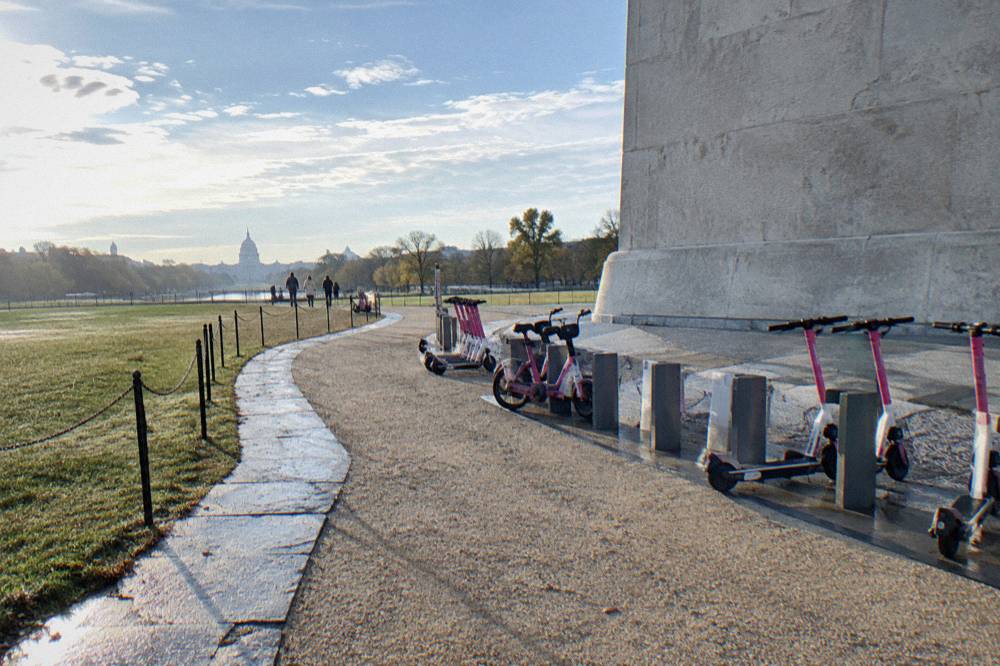
A short list of riders for whom the e-bike is genuinely the right call: anyone recovering from a knee or hip issue, anyone who has not ridden in several years, anyone over about sixty who does not cycle weekly, anyone riding in July or August, and anyone in a mixed group whose fitness levels differ. The last case is underrated: an e-bike for the slowest rider keeps the whole group honest about staying together.
Can You Manage A DC Ride If You Never Cycle At Home?
Yes, with two conditions: you can balance and steer a bike with confidence, and you pick a shorter or motor-assisted format for your first ride. The 2-hour classic rides and the e-bike options are built for exactly this rider. What the tours cannot absorb is a rider who has genuinely forgotten how to ride a bike, since the guides teach the sights, not cycling itself.
Honesty serves you better than encouragement here. The gap that matters is not between a casual cyclist and a fit one, it is between a rusty rider and a non-rider. A rusty rider, someone who rode as a kid or cycles on vacation, is the core audience for every shared tour on this site and will be fine. A non-rider should start with a lesson or a quiet rental loop in Anacostia or along the Potomac before spending money on a guided tour.
For the rusty rider, the on-ramp looks like this: book the 2-hour Easy Capitol Hill ride or its classic-bike sibling to rediscover your legs on a short route, or book an e-bike tour so that any wobble in your stamina is invisible to the group. The shared format helps you, because the guide's stops and commentary impose a natural rhythm of effort and rest that a solo ride never would. Our guide on where tours meet near the National Mall covers the practical side of the first hour, including what to bring and when to arrive.
Two fitness adjacent questions come up constantly and have short answers. Yes, you will be able to stop and walk the bike whenever you want at a memorial; the walk-through sections at the World War II and Franklin Delano Roosevelt memorials are mandatory anyway, per the park service's bicycling page. And no, you do not need special clothing; everyday clothes and closed shoes are what the groups actually wear, which our what to wear guide breaks down by season.
One caution belongs here rather than later: DC law requires a helmet for anyone under 16 riding on a public roadway or path, and tour operators provide helmets for all riders regardless of age. Wearing one costs nothing and removes the one genuinely scary variable of riding in a busy capital.
What About Kids And Older Riders On The Mall?
Kids and older riders are two of the best-served groups in DC cycling, but through different products. Private family tours run 3 hours with a pace the operator sets around the youngest rider, and private rides let older riders dictate stops and rest timing entirely. For children, the practical floor is the ability to ride confidently alongside a group, plus a helmet, which is legally required under 16.
The private formats matter here more than the shared ones. A shared tour moves at the guide's pace, which is gentle but fixed; a private tour moves at yours. Among the rides listed here, the private options include a 2-hour private ride, a private night monuments ride of 2 hours 30 minutes to 3 hours, a customized private route, a family-friendly private ride and a half-day private tour of 4 to 5 hours. For a grandparent, a knee that starts complaining partway through, or a child whose attention span is the real constraint, the customized private tour is the answer, because the route itself bends around the riders.
The family-friendly private ride is the one designed around exactly this question, with the listing framed around riding with kids in DC. Families planning a wider trip will find route ideas and timing advice in our guide to family bike rides in DC with kids.
For older riders, the fitness question usually dissolves into a comfort question, and the answers are concrete. Choose an e-bike format to remove endurance from the equation. Choose a private or small-group format so the pace flexes. And choose a day tour over a night tour for visibility and confidence on the paths, unless lit monuments are the specific draw. The National Mall and Memorial Parks are open 24 hours a day, so nothing about timing is forced.
Does Weather Change How Hard The Ride Feels?
Yes, dramatically, and it is the most underestimated difficulty factor in DC. The same flat 3-hour ride that feels effortless in April feels punishing in July, when average highs run 89.6 F and humidity compounds them. Heat, not terrain, is what actually defeats riders here, which is one more argument for e-bike formats and early start times in summer.
The climate record for Washington, from the NOAA 1991 to 2020 normals measured at Reagan National Airport, tells the story month by month. These are averages, not forecasts, but they set expectations better than any anecdote:
| Month | Avg high F | Avg low F | Rain days | What it means for a ride |
|---|---|---|---|---|
| March | 56.5 | 38.6 | 6.5 | Crisp, comfortable, blossom crowds |
| April | 68.0 | 48.4 | 6.4 | Near-ideal riding conditions |
| May | 76.5 | 58.0 | 7.3 | Comfortable, warming |
| June | 85.1 | 67.5 | 6.5 | Heat becomes a real factor |
| July | 89.6 | 72.4 | 6.7 | The hardest month to ride in |
| August | 87.8 | 71.0 | 5.6 | Hot, but slightly drier |
| September | 80.7 | 64.1 | 5.8 | Heat easing, humid spells |
| October | 69.4 | 52.2 | 4.9 | Second-best month after April |
| November | 58.2 | 41.6 | 5.0 | Cold mornings, thin crowds |
Two practical readings of that table. First, the sweet spots are April, May, October and early November, when a classic bike feels easy for anyone. Second, from June through September, book the earliest departure available or take the e-bike, because motor assist is worth more in DC heat than on any hill. Our guide to biking DC in summer heat goes deeper on timing, hydration and shade, and the rain and cold side has its own treatment in our DC weather riding guide.
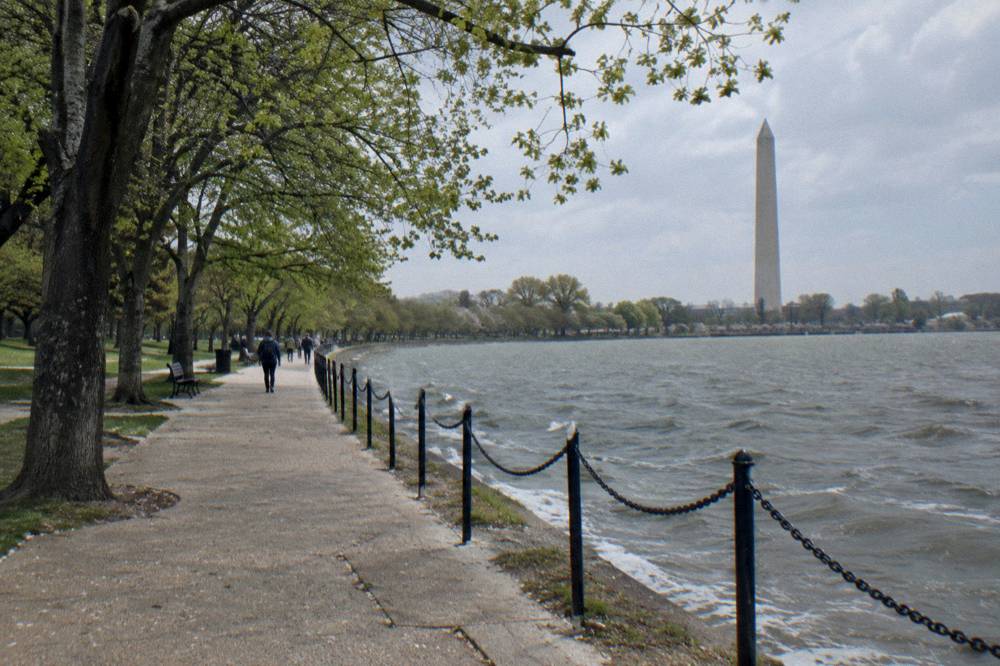
Wind deserves a mention because flat cities expose you to it. Open stretches along the Potomac and the Tidal Basin can carry a stiff breeze with nothing to block it, and a headwind on a classic bike is the closest thing DC has to a hill. It passes, and the memorials give you a reason to stop while it does.
Should You Ride At Night If You Are Unsure Of Your Legs?
Night rides are no harder aerobically than day rides, since the same flat routes and touring pace apply, but they ask for slightly more bike confidence: riding in a group after dark, on paths shared with walkers. For unsure legs, no night e-bike appears among the rides listed here, so the honest pairing is a night classic ride for confident-but-unfit riders, and a day e-bike for unfit-and-unsure ones.
The night monuments tours listed here are 3-hour classic-bike rides, and they are among the most loved formats in the city, because the memorials are lit and the daytime crowds thin out. Aerobically they are identical to the day version. The difference is skill load: judging distance in the dark, riding in a loose group, sharing lit paths with evening strollers. If you are a confident bike handler whose only worry is stamina, the night ride will not expose it, because the pace is gentle and the stops are constant.
The after-dark monuments ride with an English-speaking guide is the format to compare against the daytime loop if lit memorials are your draw. For a fuller treatment of what changes after sunset, see our guide to the night ride past the DC monuments.
One dated fact helps planners: the National Park Service announced a lighting modernization for the World War II Memorial fountain, new in-fountain and exterior lighting installed with work running into spring 2026, which is a genuine upgrade for evening riders. And sunset in Washington falls around 6 p.m. at the end of October, so late-season night tours start earlier than the summer departures, a detail worth confirming on the booking page.
What Closures Might Change Your Ride?
Two closures are in force as of late 2026 and both touch the core monuments circuit: the Lincoln Memorial Reflecting Pool, its adjacent walkways and grass medians are closed until 20 November 2026, and the west side of the Washington Monument grounds is closed through 23 January 2027 for turf restoration. Neither stops a bike tour, but both can nudge routes and photo stops, so check the park service notice before your ride.
This is a fitness guide, but closures matter to difficulty because a detour is extra riding. The park service publishes its closure notices openly, and the current ones are specific: the reflecting pool work at the Lincoln Memorial runs to 20 November 2026 at 11:59 p.m., per the official notice, and the Washington Monument grounds' west side remains closed into January 2027. Operators reroute around both without much fuss, and a guide will tell you at the start what has moved.
Beyond the two big ones, event-driven closures are routine: marathons, festivals and security movements regularly close Mall roads and sidewalks for a day or a weekend. The pattern, not the individual event, is the takeaway: for any ride date, a two-minute look at the park service's current notices is part of the plan, the same way checking the weather is.
Is Capital Bikeshare Harder Than A Guided Tour?
Yes, meaningfully, because Bikeshare removes everything that makes a guided ride easy: the guide's pace, the built-in stops, the route decisions and the included helmet. A Bikeshare day pass costs $10 per 24 hours with classic rides free for the first 45 minutes each, then $0.05 per minute, so it is cheap, but you carry the navigation, the timing and the effort discipline yourself.
The pricing, from the operator's own published rates, is worth knowing even for tour riders, because Bikeshare is the natural fallback when plans change:
| Capital Bikeshare option | Price | What it includes |
|---|---|---|
| Single ride | $1 unlock plus $0.15 per minute | Classic bike, pay as you go |
| Single ride, e-bike | $1 unlock plus $0.35 per minute | Motor assist from the same docks |
| Day pass | $10 per 24 hours | Unlimited 45-minute classic rides, then $0.05 per minute; e-bikes $0.15 per minute |
| 30-day membership | $25 per month | Same 45-minute structure as the day pass |
The fitness angle is the contrast. On a guided tour, the difficulty is capped by design: the guide's pace, the stops, the flat route. On a Bikeshare, the difficulty is whatever you make it, and most first-time visitors overestimate how much ground they can cover between the 45-minute windows that keep a day pass free. Riders who want the fuller comparison, including when a dock bike beats a tour and when it very much does not, have it in our guide on choosing Capital Bikeshare or a guided ride.
For the specific question this page answers, the ranking is stable across every format on this site: a 2-hour guided classic ride is the easiest structured option, a 3-hour e-bike guided ride is the easiest way to see everything, a 3-hour classic guided ride is the benchmark most riders clear comfortably, and self-guided Bikeshare riding is the variable one. This site, Bike Tours Washington DC, exists because that middle option is the right answer for more visitors than any other.
If your fitness doubt survived this far, book the e-bike, take the earliest start your dates allow, and let the flat city do the rest.
Common Questions About DC Bike Ride Difficulty
How Fit Do You Need To Be For A DC Bike Ride?
Everyday walking fitness is enough. The core tours run 2 to 3 hours on flat terrain at a touring pace with stops at nearly every memorial, so anyone who rides a bike a few times a year manages them. Riders with knee, endurance or heat concerns should pick an e-bike format, which covers the same routes with motor assist.
Is The National Mall Hilly?
No, in general terms it is flat, with only gentle rises around Capitol Hill and bridge approaches. There are no sustained climbs on the core monuments circuit, which is why casual riders and families make up most of the customer base for Mall tours.
Do I Have To Be Able To Ride For Three Hours Straight?
No. The listed 3 hours includes guide commentary and memorial stops, so time actually pedaling is broken into short stretches. The mandatory walk-through sections at the World War II and Franklin Delano Roosevelt memorials add natural rest breaks to every tour.
Is An E-Bike Tour Easier Than A Regular Bike Tour?
Yes. The e-bike formats follow the same routes at the same sightseeing pace, but the motor flattens the wind-facing and longer stretches. DC caps motorized bicycles at 20 mph on level ground, so the assist removes effort without changing the character of the ride.
Are Kids Fit Enough For These Tours?
Children who can ride confidently alongside a group manage the family formats, and a helmet is legally required for riders under 16 in DC. Private family tours let the pace and stops flex around the youngest rider, which is usually the real constraint rather than fitness.
Does Summer Make The Rides Too Hard?
July and August average highs near 90 F with high humidity, which makes the same ride feel far harder. Book the earliest departure or an e-bike format in those months, carry water, and use the memorial stops as shade breaks.