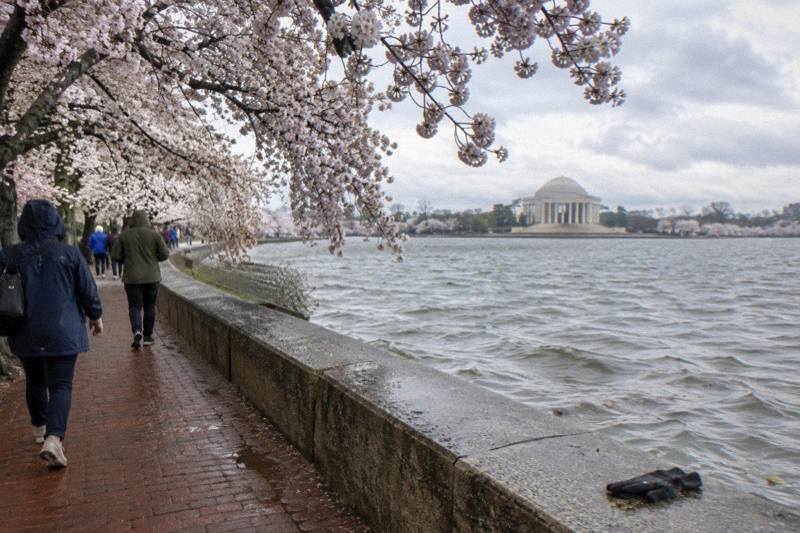
Cherry Blossom Peak Bloom: Dates, Timing And Booking Window
Peak bloom at the Tidal Basin is a moving target set by weather, not by the calendar. Here is what the verified record shows, how the National Park Service forecast works, and the booking window that actually matters for a bloom-week bike ride.
Short answer
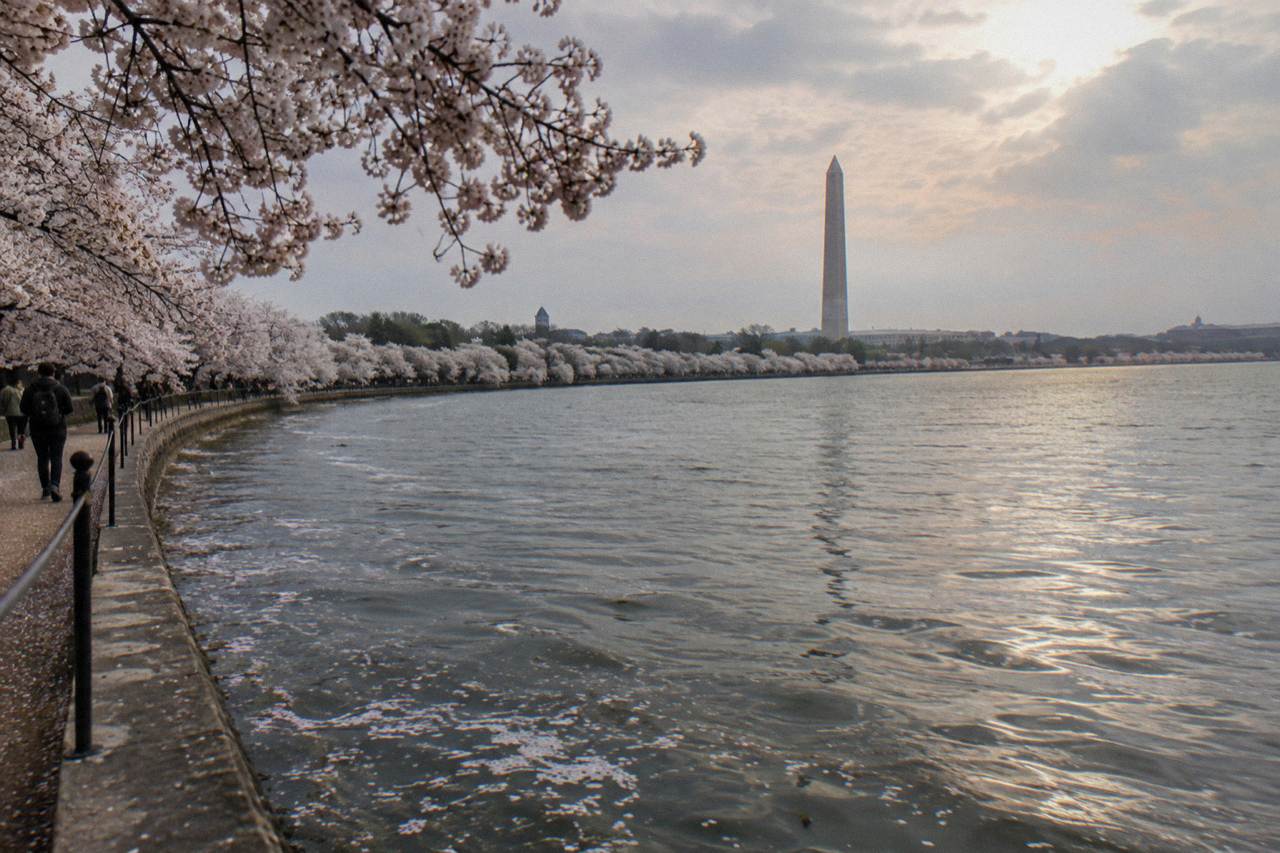
The 2026 cherry blossom peak bloom was reached on March 26, 2026, when 70 percent of Yoshino trees at the Tidal Basin were open. The typical window runs from the last week of March to the first week of April, and blossoms last roughly 7 to 10 days once open. The 2027 festival runs March 20 to April 11, 2027.
When Is Cherry Blossom Peak Bloom In Washington DC?
Peak bloom at the Tidal Basin is the day when 70 percent of the Yoshino cherry trees are open, and in 2026 the National Park Service recorded that moment on March 26. The typical window is the last week of March through the first week of April, and once the blossoms open they usually hold for roughly 7 to 10 days. No forecast for 2027 has been published yet, so that typical window is the honest planning tool for now.
The date moves every year because the trees answer to temperature, not to the calendar. Warm late-winter weeks pull the bloom earlier; a cold March pushes it later. The National Park Service tracks the buds at the Tidal Basin through the winter and publishes its first forecast each year in late February or early March, then updates it as the buds develop. In 2026 the initial forecast pointed to March 29 to April 1, and the bloom actually arrived three days early, on March 26. That kind of drift, three days, a week, is normal and worth planning around.
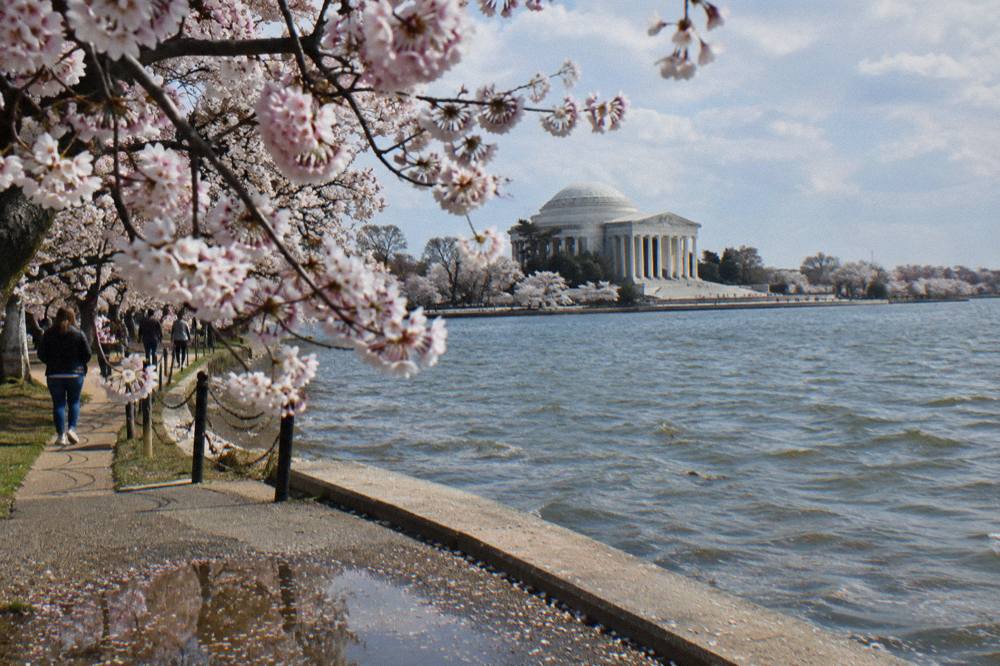
For anyone timing a visit around a bike ride, the practical read is this: aim for the first week of April if you must pick a single week, since it catches either the tail of peak bloom or the start of the petals falling, and both are worth seeing. The second-best pick is the last week of March, which carries more risk of arriving before the trees open. The petals dropping into the water, the so-called snowfall effect, is often the prettiest phase and it comes after peak, not on it.
The 2027 National Cherry Blossom Festival runs March 20 to April 11, 2027, and the festival deliberately spans the whole likely bloom window for exactly this reason. A festival-date trip is a bet on the window, not on the peak date itself. If your dates are flexible, watch the NPS Bloom Watch page from late February onward and be ready to shift by a few days either way.
One more distinction that trips people up: peak bloom is a single day, the day the 70 percent threshold is crossed, not a stretch of dates. The visiting season around it is longer. Trees begin opening in the days before peak, hold through the days after, and the petals fall over several more. So a trip that misses the declared peak date by two or three days on either side can still land squarely in the flowers. The people who are genuinely unlucky are the ones who arrive a week or more off the mark, and even then, as the later sections of this guide cover, the Mall has plenty left to ride.
How Does The NPS Peak Bloom Forecast Work?
The National Park Service tracks the bud stages of the Yoshino trees around the Tidal Basin, from green buds through puffy white, and declares peak bloom when 70 percent of the blossoms are open. The first forecast typically appears in late February or early March, then gets revised as weather moves the buds along. It is a running estimate, not a locked date, and the typical window for peak bloom runs from the last week of March into the first week of April.
The forecasters are working with living trees and a weather pattern that has not finished happening yet, so each update is only as good as the following ten days of temperatures. A sudden warm spell accelerates everything; a frost can damage open buds and shorten the show. This is why the NPS hedges its language and why any tour, hotel, or flight booked against a forecast should carry some slack.
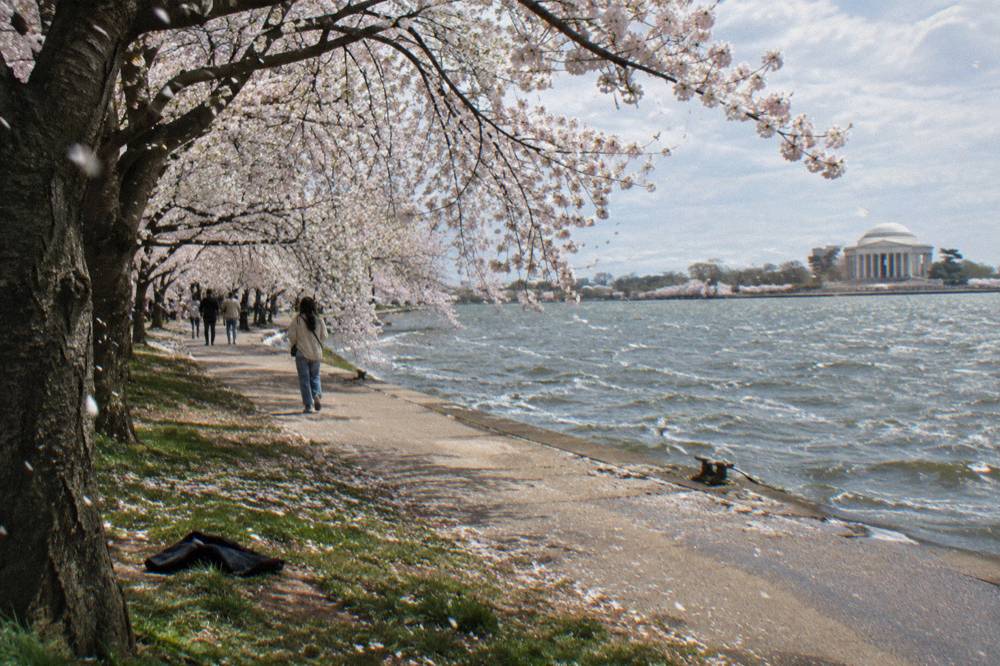
What that means for a rider is simple: the forecast tells you when to go, but it cannot tell you in January. Book the controllable parts early, the ride slot, the room, the days off work, and treat the exact peak date as a decision you make in March. The two cherry blossom rides sold through this site, the 2-hour Cherry Blossoms by Bike Tour on a classic bike and the 2-hour Cherry Blossom Bike and E-Bike Tour with an e-bike option, both run daily through the season, so the main scarcity is weekend slots in the peak week, not the tour existing.
The three rides above cover the two bloom-specific tours plus a 3-hour monuments ride as a fallback if your dates land before or after the petals. All three are shared rides with a guide, and each states its meeting point and inclusions on its own page, so check the booking page for anything not covered here.
How Far Ahead Should You Book A Ride For Bloom Week?
For the peak window, book a guided ride three to six weeks ahead for weekday slots and six to ten weeks ahead for weekends, which is when the bloom-week scarcity bites hardest. The festival dates for 2027 are already published, March 20 to April 11, so the booking calendar is open now even though the bloom forecast is not. Waiting for the forecast means choosing from what is left.
Those ranges are planning guidance rather than operator promises, because every operator manages its own calendar differently. But the pattern holds across the season: the two weeks around expected peak fill first, morning slots go before afternoon ones, and the Easter holiday week, when it overlaps the window, behaves like a weekend regardless of the actual days.
| Phase | When | What To Lock Down |
|---|---|---|
| Early planning | Once festival dates are announced | Travel dates inside the festival span, hotel near the Mall |
| Core booking | Early in the booking window | Weekend ride slots, morning departures |
| Flexible booking | While change terms still hold | Weekday ride slots, e-bike upgrades |
| Forecast window | Late February to early March | Watch the NPS forecast, adjust ride day if terms allow |
| Peak week | Last week of March to first week of April | Everything left is first-come, morning light is best |
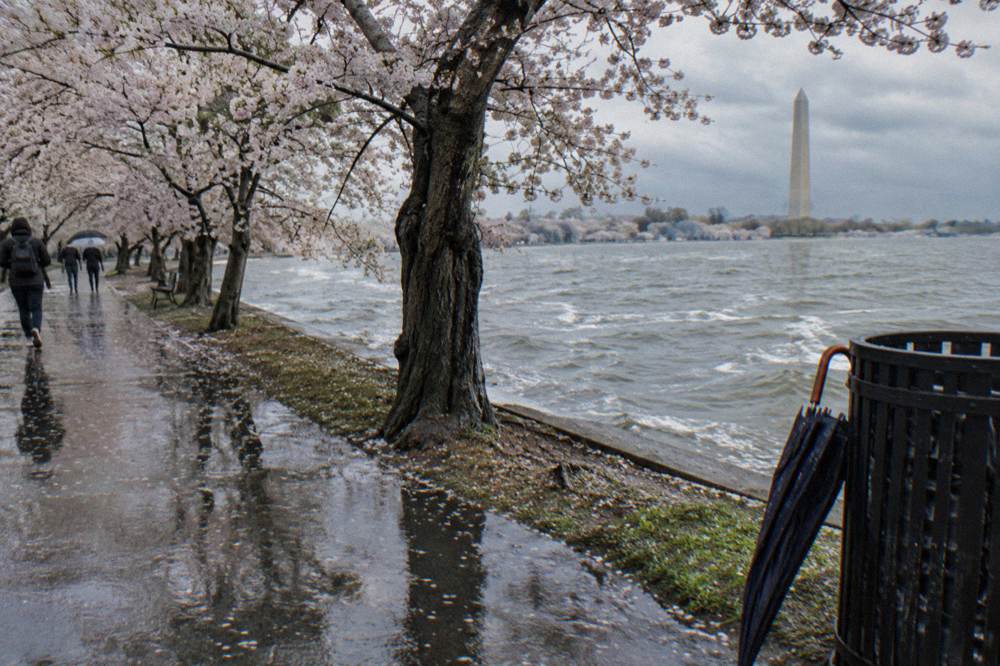
The smart structure is to book a refundable or flexible slot early, then adjust once the forecast lands in early March. Check each booking page for its own cancellation terms; this site does not promise them on the operators' behalf. If your dates are fixed and inflexible, book the ride for whichever day falls inside the typical window and accept the weather lottery, because even a pre-peak ride at the Tidal Basin in late March is a fine morning out.
One honest note about the ground itself: the Tidal Basin seawall reconstruction, finished ahead of schedule, kept the project area including its paths closed through the 2026 festival for landscape stabilization and new tree planting, with reopening expected shortly after. Before a 2027 visit, check the park service notice for current path status rather than assuming last year's layout. The NPS seawall announcement is the primary source for that project.
The cherry blossom ride above is the classic-bike version, 2 hours, shared, built around the bloom route. Its companion, the e-bike option, sits one tile down and suits riders who would rather let the motor handle the distance between groves. Both describe their inclusions, bike and helmet, on their booking pages.
Which Bike Rides Fit The Bloom Window Best?
The two purpose-built cherry blossom rides are the 2-hour Cherry Blossoms by Bike Tour on a classic bike and the 2-hour Cherry Blossom Bike and E-Bike Tour with an e-bike option. Around them, the 3-hour National Mall and Tidal Basin E-Bike Tour and the 3-hour Monuments and Memorials Bike Tour both pass bloom-adjacent ground and work well if your dates miss the petals entirely. For quieter stops along the way, our guide to DC's overlooked corners covers spots most riders pedal right past.
| Ride | Length | Bike | Why It Fits Bloom Week |
|---|---|---|---|
| Cherry Blossoms by Bike Tour | 2 hours | Classic | Purpose-built bloom route at the Tidal Basin |
| Cherry Blossom Bike and E-Bike Tour | 2 hours | E-bike option | Same bloom focus, motor assist for the loops |
| National Mall and Tidal Basin E-Bike Tour | 3 hours | E-bike | Covers the Mall and the Tidal Basin side in one ride |
| Monuments and Memorials Bike Tour | 3 hours | Classic | The fallback if bloom timing misses, monuments still deliver |
The pair of 2-hour rides is the core recommendation for the peak week itself. Shorter rides matter at bloom time because the Tidal Basin is congested: a 2-hour loop keeps you among the trees for the best light without a long commitment, and if the crowd gets heavy you are not locked into a 3-hour circuit. The Cherry Blossoms by Bike Tour is the classic-bike version, and the e-bike option ride sits alongside it.
For riders who want the bigger picture, the 3-hour e-bike ride that links the National Mall and the Tidal Basin is the strongest single purchase: it bundles the monuments, the river side, and the blossom groves into one outing, and the motor takes the sting out of the distance. A detailed look at that ride family is in the site's guide to e-bike or regular bike for seeing DC, which works through the same tradeoff for non-bloom weeks too.
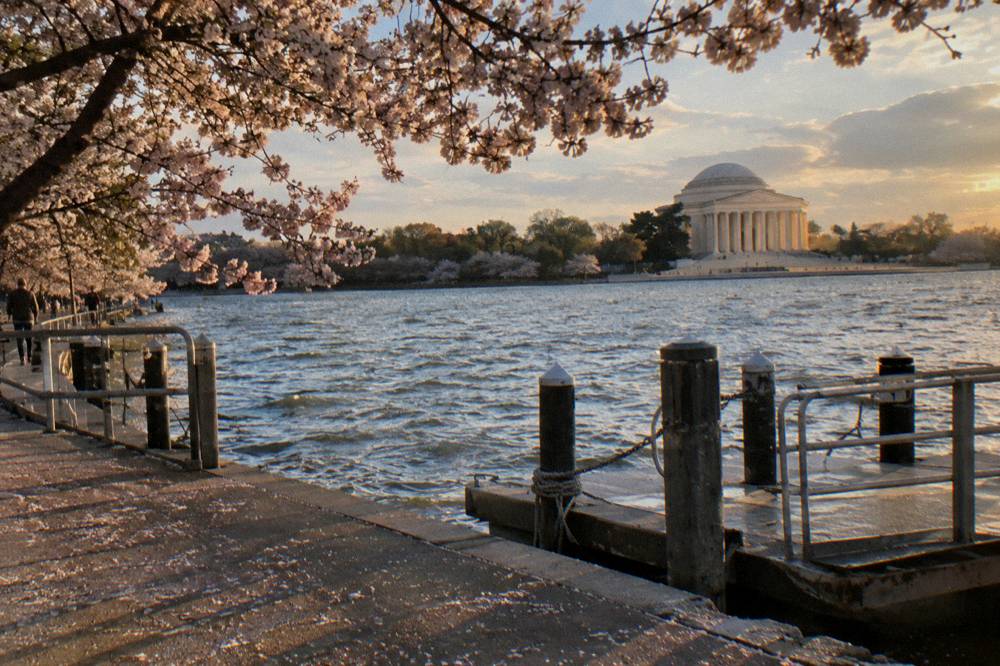
What Does A Bloom-Week Ride Around The Tidal Basin Look Like?
Expect crowds, closed-to-riding memorial interiors, and the best light in the first two hours after sunrise. Bicycles are welcome in National Mall and Memorial Parks and parking for them sits near each major memorial, but riding inside the memorials themselves is not permitted, so you walk the bike through the World War II and Franklin Delano Roosevelt memorials or lock it before entering.
That rule set comes straight from the park service and shapes how a guided bloom ride flows. The guide leads along the flat paths between groves, stops at the memorials, and the group dismounts where required. The park is open 24 hours a day, which is why the early and late ends of the day are genuinely available, and why the crowd problem is concentrated in the 10 a.m. to 4 p.m. band.
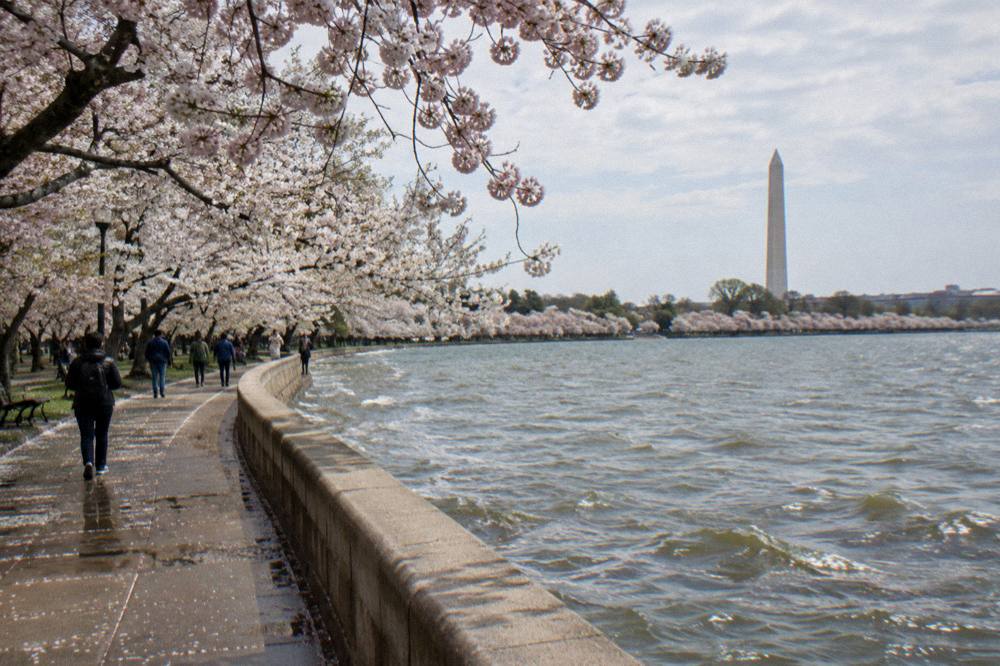
Weather in the window is mild on the monthly averages. The NOAA 1991 to 2020 normals for Washington Reagan National Airport put March at an average high of 56.5 and low of 38.6 degrees Fahrenheit with 3.5 inches of precipitation over 6.5 rain days, and April at an average high of 68.0 and low of 48.4 with 3.21 inches over 6.4 rain days. Those are averages, not forecasts, but they tell you to pack a layer for the morning and a rain option in the bag. The site's broader look at conditions, best time of year to bike in Washington DC, runs the full calendar if your dates are flexible.
| Month | Avg High F | Avg Low F | Precip In | Rain Days |
|---|---|---|---|---|
| March | 56.5 | 38.6 | 3.5 | 6.5 |
| April | 68.0 | 48.4 | 3.21 | 6.4 |
| May | 76.5 | 58.0 | 3.94 | 7.3 |
The March-to-April step is the one that matters most for bloom planning. March mornings sit in the high thirties on average, cold enough that gloves and a layer are standard kit for an early ride, while April mornings average closer to fifty and afternoons push toward seventy. Both months carry roughly six to seven days of rain on average, so the odds of a washout on any given day are real but not dominant, and a flexible booking lets you swap a wet Tuesday for a clear Wednesday. Riders sensitive to cold should weight their choice toward April slots; photographers chasing soft light often prefer late March, when the lower sun angle and bare-branch backdrop frame the blossoms.
Two closures were in force as of the end of October 2026 and both matter to anyone riding the Mall's west end: the Lincoln Memorial Reflecting Pool, its walkways and grass medians are closed until Friday, November 20, 2026, and the Washington Monument grounds west side is closed through January 23, 2027. Both are likely resolved before the 2027 bloom, but the habit worth building is checking the park service closure notices the week you ride.

What If You Miss Peak Bloom Entirely?
If the petals are done, the 3-hour Monuments and Memorials Bike Tour and the night monuments rides pick up the slack, and Capital Bikeshare at $10 per day for unlimited 45-minute classic rides makes a self-guided loop cheap. A post-bloom Mall still has the memorials, the river paths, and thinner crowds, which many riders prefer to the peak-week crush.
The honest framing is that peak bloom is the busiest, most photographed, and least peaceful ten days on the Mall's calendar. Miss it and you trade the petals for room to ride. The monuments tours run all season, and the 3-hour classic version covers the core loop between the Capitol side and the Lincoln Memorial side that most first-time visitors want.
Evening is the other consolation. The monuments are lit at night and the paths are car-free, which makes the night monuments rides, around 3 hours, a strong second choice when the daytime bloom crowds were the part you dreaded. The site's night-riding guide, night ride past the DC monuments after dark, works through what changes after sunset.
For a self-guided day, Capital Bikeshare's verified pricing is straightforward: a day pass is $10 per 24 hours with classic rides free for the first 45 minutes and $0.05 per minute after, e-bikes $0.15 per minute throughout, and the system runs about 8,000 bikes across more than 800 stations. A dock was reinstalled at Jefferson Drive and 12th Street SW, right on the Mall, in late October 2026, which helps the blossom loop specifically.
| Option | What It Costs | Best For |
|---|---|---|
| Capital Bikeshare day pass | $10 per 24 hours | Flexible self-guided loops, classic bikes |
| Capital Bikeshare single ride | $1 unlock plus $0.15 per minute | One short hop, no commitment |
| Capital Bikeshare e-bike | $0.35 per minute single ride | Flat paths with motor assist |
| Guided 2-hour cherry blossom ride | Check the booking page | The bloom route with a guide, bike included |
| Guided 3-hour monuments ride | Check the booking page | Monuments focus when bloom timing misses |
The comparison between a guided ride and Bikeshare is its own decision with more depth than one table, and the site's guide on Capital Bikeshare or a guided ride works through it properly. The short version: Bikeshare wins on flexibility and price, a guided ride wins when you want the route, the stories, and a bike and helmet already waiting.
Whichever way you lean, the timing logic in this guide holds: the bloom window is short, the forecast arrives late, and the riders who enjoy the week most are the ones who booked the controllable parts early and left themselves room to move. That is the same approach Bike Tours Washington DC recommends across every season, and cherry blossom week simply raises the stakes, because ten days of petals draw more riders than any other stretch on the calendar.
Common Questions About Cherry Blossom Peak Bloom
When Is Cherry Blossom Peak Bloom In Washington DC?
Peak bloom is the day 70 percent of the Yoshino cherry trees at the Tidal Basin are open. In 2026 that fell on March 26. The typical window is the last week of March through the first week of April, and no forecast for 2027 had been published as of the end of October 2026.
How Long Do The Cherry Blossoms Last Once They Open?
Roughly 7 to 10 days, per the National Park Service. The final days, when petals drop into the Tidal Basin, are often the most photogenic phase of the whole season.
When Does The NPS Release Its Peak Bloom Forecast?
Typically in late February or early March, with updates as the buds develop. The forecast is revised as weather changes, so treat it as a live estimate rather than a fixed date.
How Far Ahead Should I Book A Bike Ride For Bloom Week?
Plan on three to six weeks ahead for weekday slots and six to ten weeks for weekends. The festival dates are published well in advance, so you can book before the bloom forecast exists and adjust later, subject to the cancellation terms on the booking page.
What Are The 2027 National Cherry Blossom Festival Dates?
March 20 to April 11, 2027. The festival deliberately spans the entire likely bloom window, so any trip inside those dates has a reasonable shot at blossoms even before the forecast exists.
Can You Ride A Bike Through The Memorials During Bloom Season?
No. Bicycles are welcome in National Mall and Memorial Parks and bike parking sits near each major memorial, but riding inside the memorials is not permitted. Walk the bike through the World War II and Franklin Delano Roosevelt memorials, or lock it before entering others.