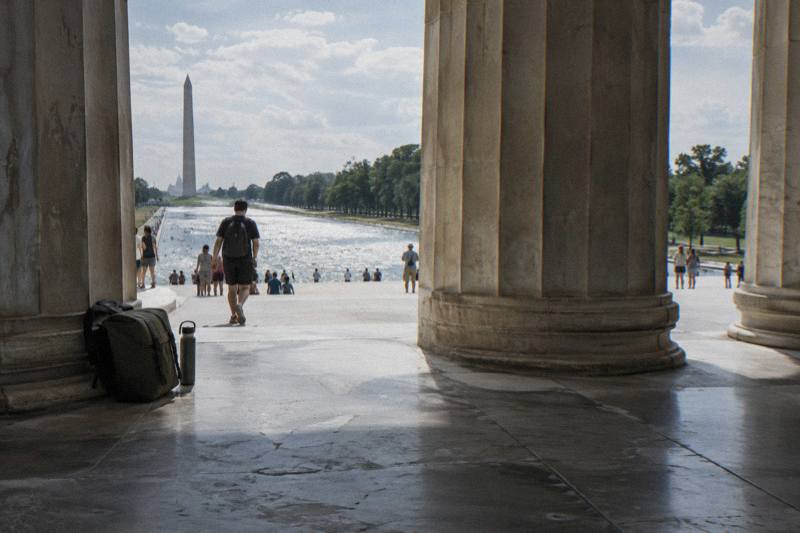
Getting Around DC: Metro, Walking And Bikes
DC rewards travelers who mix transport modes: the Metro covers long hops, feet cover single memorials, and a bike covers the full Mall in the time walking covers two stops. Here is how the pieces fit together.
Short answer
The Metro reaches the edges of the National Mall but not the memorials themselves, and the park stays open 24 hours a day. Bicycles are welcome in National Mall and Memorial Parks, with parking near each major memorial. A guided 3-hour monuments ride pairs a bike and helmet with a route; a Capital Bikeshare day pass costs $10 per 24 hours.
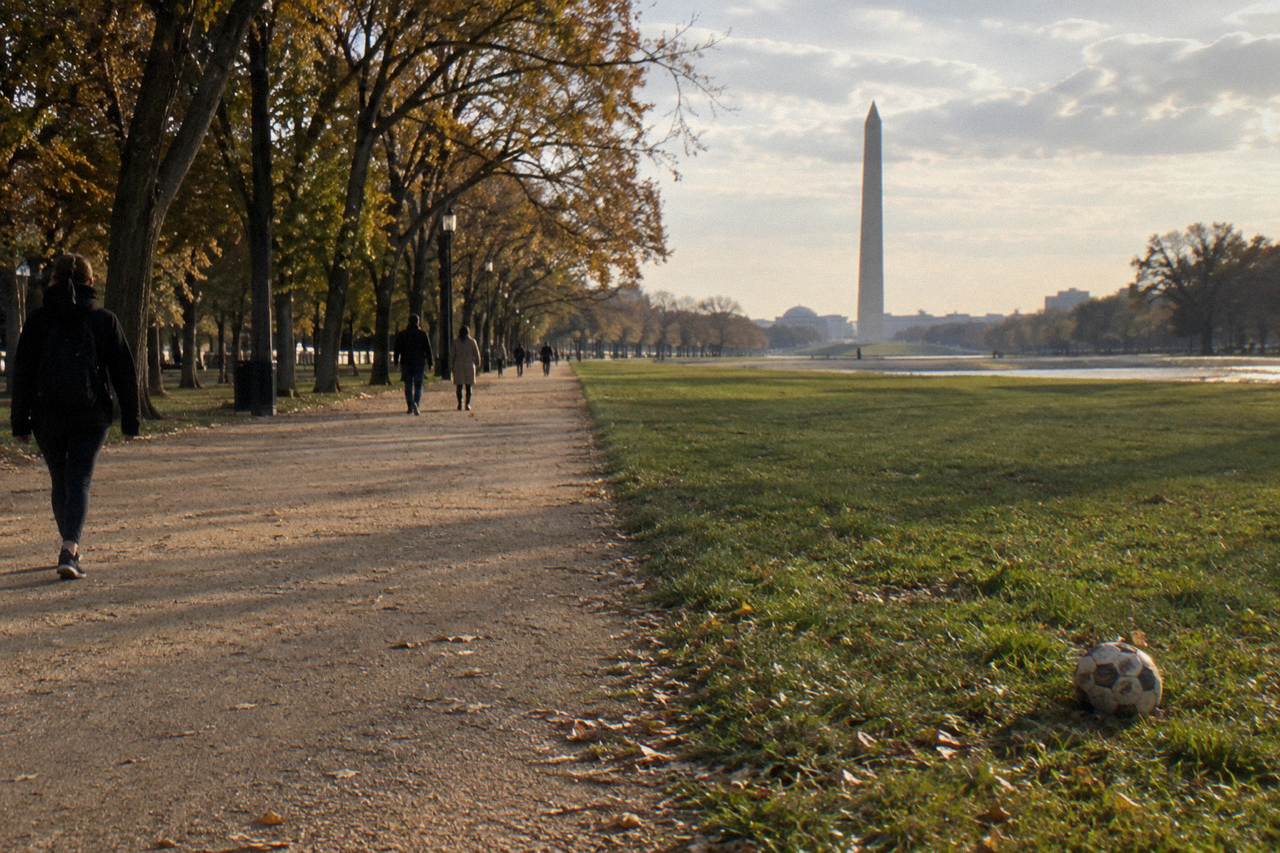
Washington DC is a city where the distance between the things you came to see quietly eats your day. The Metro is fast between neighborhoods, the Mall itself is a long open stretch of lawn and gravel, and the memorials sit at its edges and beyond, down around the Tidal Basin and the Potomac riverfront. Most visitors end up walking far more than they planned, then wondering why the afternoon disappeared.
The honest answer is that no single mode wins. The Metro does the long hops, feet do the interiors of the memorials, and a bike does the stretch in between better than anything else. The National Park Service states plainly that bicycles are welcome in National Mall and Memorial Parks, that bicycle parking sits near each major memorial, and that the park is open 24 hours a day. Those three facts shape almost every recommendation on this page, and they come from the park's own bicycling information, not from a tour brochure. The same bike-friendly setup pays off most in spring, when our guide to seeing cherry blossoms in DC explains how the Tidal Basin and the Mall connect by bike.
This guide lays out how the pieces fit: what the Metro actually covers, how walkable the Mall really is, what Capital Bikeshare costs, when the weather cooperates, and where a guided ride such as the 3-Hour Monuments Bike Ride saves you the logistics entirely.
Is The Metro Or A Bike Better For Seeing The National Mall?
The Metro beats a bike for reaching DC from afar, and loses to one inside the park. Rail stations sit at the edges of the Mall, roughly at Smithsonian, Federal Triangle and L'Enfant Plaza, while the memorials themselves line a corridor that no train enters. A bike covers that corridor continuously, is welcome throughout National Mall and Memorial Parks, and can park at racks near each major memorial. Most efficient visitors ride rail in, then switch to wheels or feet.
The pattern that works is hub and spokes. Arrive by Metro at a station near the Mall, then treat the park as your car-free zone for the rest of the day. The Metro's strength is distance: crossing from Union Station to the Smithsonian side, or from a hotel in Dupont Circle down to L'Enfant Plaza, is a job for the train. Trying to cover the memorial corridor the same way means station entrances, escalators, waits and exits, repeated four or five times, and none of those stations sit where the Lincoln Memorial or the Jefferson Memorial actually stands.
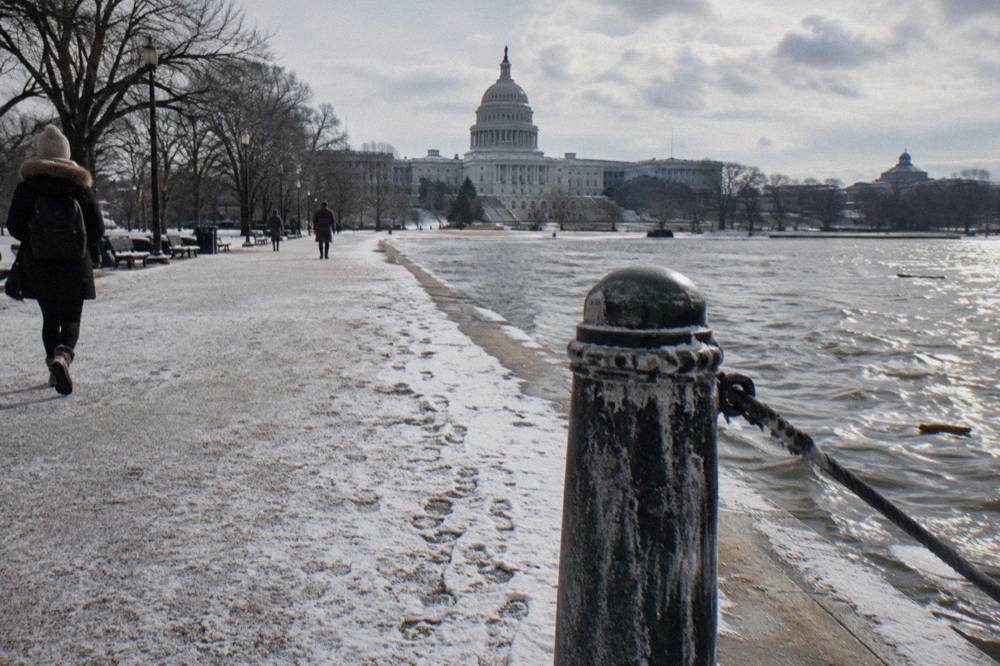
Inside the park the calculus flips. The corridor of memorials from the Capitol grounds down past the Washington Monument, then west and south around the Tidal Basin, is exactly the shape of trip a bicycle is built for: flat, continuous, car-free for most of its length, and strung with stops worth pausing at. Walking the same corridor means committing your whole day to it, and the sections between the far memorials are where tired visitors give up.
There is a middle option worth naming honestly: a shared guided ride does the rail-plus-bike job in one transaction. The Monuments Ride, E-Bike Upgrade version of the classic circuit runs 3 hours with an e-bike option, and the operator's booking page lists the meeting point, inclusions and the current per-person price. For a deeper comparison of the two frame types, see e-bike or regular bike for seeing DC.
One Metro detail matters and cannot be answered generically: bikes on trains. Rules about which cars, which hours and how many bikes are permitted change, and no official figures are published. Check WMATA's own bicycle pages before planning to bring a bike aboard, especially at rush hour.
For the full monument corridor, stop by stop, the route guide at National Mall monuments by bike maps the sequence most riders follow.
Can You Combine The Metro, Walking And A Bike In One Day?
Yes, and it is the strongest plan for a first visit. Ride the Metro to the edge of the Mall, walk the two or three memorials that matter most to you on foot, and cover the longer connectors between them by bike, either on a guided ride or a Capital Bikeshare day pass at $10 per 24 hours. The park never closes, so the plan stretches into the evening without a deadline.
A sample day makes the logic visible. Morning: Metro in, start at the Washington Monument side while crowds are thin. Late morning: walk the monument grounds and the nearby memorials at interior pace, since riding is not permitted inside the memorials themselves and the park asks cyclists to walk bikes through the World War II and Franklin Delano Roosevelt Memorials or lock up before entering any other one. Midday: pick up wheels for the long sweep west and south. Afternoon: the Tidal Basin and the Jefferson side, where the distances between stops are the widest. Evening: the same corridor, lit, either on foot or on a night ride.
The reason the mixed plan beats a pure walking day is arithmetic. Two stops at walking pace with photo pauses consume an hour easily; the same two stops by bike, with the connector ridden, take a fraction of that. The reason it beats a pure Metro day is geometry: the stations ring the park rather than serving it.
The guided version of the mixed day exists as a product, which is worth knowing even if you ride independently. A 3-hour shared monuments ride handles the bike, the helmet and the route; a 2-hour Capitol Hill ride covers the east end; and a night version repeats the corridor after dark. The table below lays out the split.
| Part of the day | Best mode | Why it wins here |
|---|---|---|
| Hotel to the Mall | Metro or rideshare | Distance, no parking problem |
| Washington Monument grounds and nearby memorials | Walking | No riding inside the memorials, and parking racks sit at each |
| West Mall to the Lincoln Memorial | Bike | The longest car-free connector on the route |
| Around the Tidal Basin to Jefferson | Bike or e-bike | The widest spacing between stops |
| After dark | Feet or a guided night ride | Monuments are lit and the park stays open |
Whichever way you assemble the day, one rule keeps it legal: riders under 16 must wear a helmet on any public roadway, path or right-of-way in DC, and parents can be cited for knowingly allowing otherwise. Tour operators supply helmets on guided rides, which is one quiet argument for them with kids; the family angle is covered in family bike rides in DC with kids.
How Walkable Is The National Mall Really?
The Mall is walkable in the way a museum district is walkable, meaning excellent within clusters and punishing between them. Walking two adjacent memorials is a pleasure; walking the full corridor from the Capitol to the Lincoln Memorial and around the Tidal Basin is a full-day commitment on hard surfaces with little shade in summer. The park is open 24 hours, so a walking-only plan is possible, but it trades breadth for endurance.
Visitors consistently underestimate the connector distances because maps compress them. The Mall looks like one place; on the ground it behaves like a chain of places. Add the memorials that sit outside the green axis, along the Tidal Basin and the Potomac, and the walking-only itinerary quietly doubles.
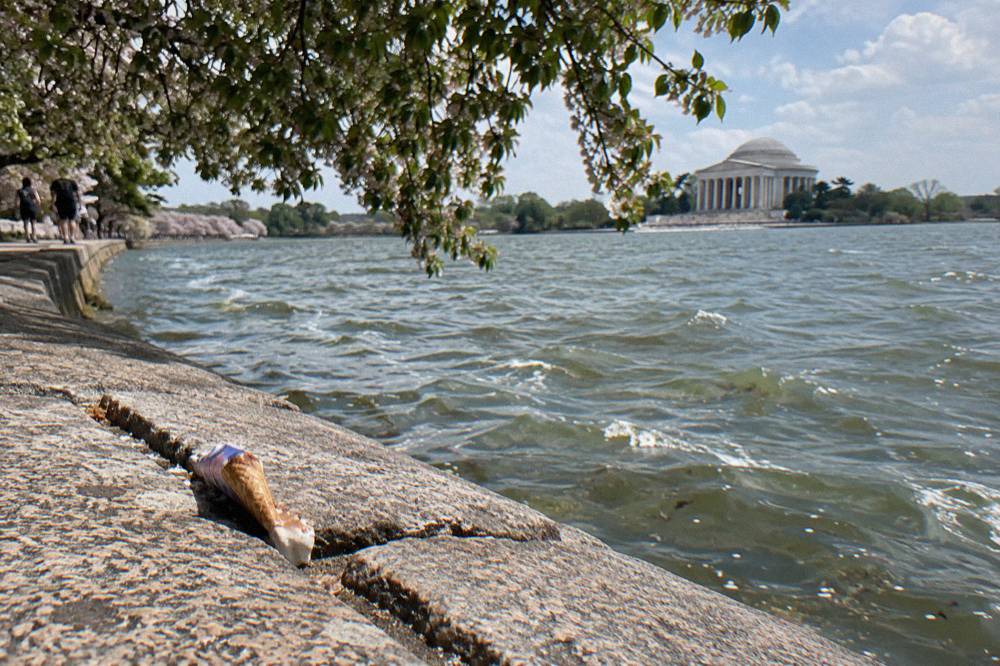
Shade and surface matter as much as distance. Long stretches of the Mall corridor are open lawn and gravel in full sun, and the Tidal Basin loop is largely exposed at the water's edge. In July, when average highs run 89.6 degrees Fahrenheit by the NOAA 1991 to 2020 normals for Reagan National Airport, a midday walking circuit is a heat-management exercise. In October, with average highs of 69.4 and the lowest average monthly rainfall days of the year, the same circuit is close to ideal.
The practical walking plan is to pick a cluster. The monument core plus two or three adjacent memorials makes a humane half-day on foot. Anything wider than that, and wheels pay for themselves in hours. For walkers committed to the full sweep, the pacing and stop-sequence advice in can you walk the National Mall in one day applies directly.
One honest note about the free option: the site's companion piece on free things to do in Washington DC by bike covers the memorials and paths that cost nothing, which pairs well with a transit-in, walk-the-core day.
Why Does A Bike Cover The Memorials Better Than Feet Or Trains?
A bike covers the memorial corridor continuously, at a pace between walking and driving, on paths where bicycles are expressly welcome. The train skips the corridor entirely, the feet grind through it, and the bike strings every stop together without parking, station entrances or waits. Guided rides add a route, a helmet and a guide to that base advantage, which is why planners keep landing on them.
Start with what the park itself says. Bicycles are welcome in National Mall and Memorial Parks, bicycle parking is provided near each major memorial and along the Mall, and riding is simply not permitted inside the memorials themselves. That is a framework built for bikes, not a grudging tolerance of them. The paths between the memorials are wide, mostly flat and largely separated from car traffic, which removes the two worries that usually make city cycling unattractive to visitors.
Then weigh what the alternatives cost. Rideshare between memorials means pickup loops, surge pricing at peak times and drop-off points that still leave a walk. The Metro means the station-edge problem described above. Walking means time, and time is the scarce resource on a DC trip.
The guided-ride layer adds things a rental cannot. A shared 3-hour monuments ride includes the bike, the helmet and a set route through the corridor, with the price and start time on the operator's booking page. For the east end of the city, an Easy Capitol Hill Highlights ride runs 2 hours on a classic bike and covers the Capitol-side cluster that Mall-first itineraries often miss. And for the evening, a night version of the monuments ride repeats the corridor under the lights, which the park's 24-hour access makes possible.
The choice inside the bike category is mostly classic versus electric, and DC makes the electric case gently rather than forcefully: the corridor is flat enough that a classic bike serves most riders, while an e-bike helps on longer days, in summer heat, or on rides that extend past the Mall. The comparison in e-bike or regular bike for seeing DC walks through it. One legal note frames any e-bike choice: DC defines a motorized bicycle as having operative pedals and a motor incapable of propelling it faster than 20 mph on level ground, and the guided e-bike rides listed here sit inside that definition.
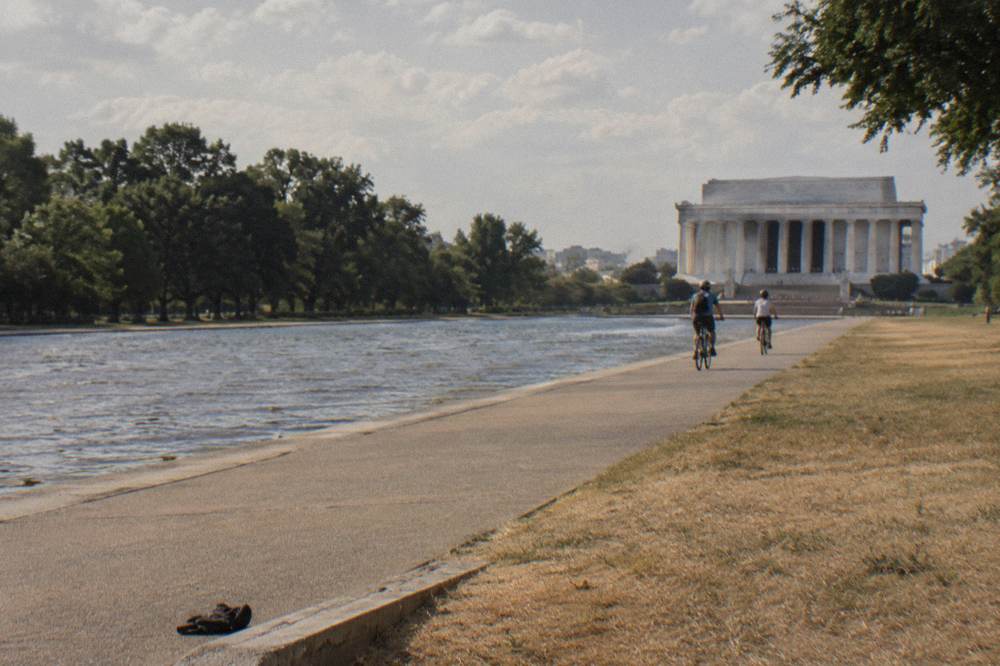
For riders who want the Tidal Basin treated as a first-class destination rather than a detour, the E-Bike, Tidal Basin Route ride runs 3 hours on electric bikes and centers exactly that side of the park.
What Does Capital Bikeshare Cost Next To A Guided Ride?
A Capital Bikeshare day pass costs $10 per 24 hours, with classic rides free for the first 45 minutes each and $0.15 per minute on e-bikes; single rides start at a $1 unlock plus $0.15 per minute on a classic bike. A guided shared ride costs more per person, with the price on the operator's booking page, and includes the bike, a helmet, a route and a guide.
Bikeshare is the independent traveler's tool. The system runs roughly 8,000 bikes across more than 800 stations in 8 jurisdictions, and in October 2026 it reinstalled the Smithsonian-National Mall station at Jefferson Dr and 12th St SW, putting a dock back in the middle of the corridor. The pricing, from the operator's own fare page, is straightforward:
| Capital Bikeshare option | Price | What it includes |
|---|---|---|
| Single ride, classic | $1 unlock plus $0.15 per minute | One trip on a classic bike |
| Single ride, e-bike | $1 unlock plus $0.35 per minute | One trip on an electric bike |
| Day pass | $10 per 24 hours | Unlimited classic rides, first 45 minutes free, then $0.05 per minute; e-bikes $0.15 per minute |
| 30-day membership | $25 per month | Same 45-minute classic terms as the day pass |
| Annual membership | $120 per year | Same terms, with free unlocks |

The 45-minute tick is the thing to plan around. A day pass makes each classic ride free only up to 45 minutes, which is enough between individual memorials but not for one continuous lap of the whole corridor. The independent Bikeshare plan is therefore dock-and-walk: ride a leg, park at a station near a memorial cluster, walk it, unlock again. That pattern also matches the park's own rule of not riding inside the memorials.
The guided ride is a different product, and pretending the two compete only on price misses the point. A guided monuments ride prices per person on the booking page, and in exchange the operator supplies the bike and helmet, fixes the route, sets the pace and narrates the stops, which matters for visitors who want context at the Lincoln or the King Memorial rather than a photo and a map check. The tradeoffs, including dock-hunting stress and group pacing, are laid out in Capital Bikeshare or a guided ride.
When Is The Best Season To Get Around DC Without A Car?
October and April are the kindest months for a bike-and-walk plan, with average highs of 69.4 and 68.0 degrees respectively, and October averages the fewest rain days of the year at 4.9. Cherry blossom season, typically the last week of March into the first week of April, adds crowds to the Tidal Basin on top of mild weather. Summer rides best early and late in the day.
The climate normals below come from the NOAA 1991 to 2020 records for Reagan National Airport, and they describe long-term averages, not any forecast for your dates. Read them as a planning rhythm rather than a promise.
| Month | Avg high | Avg low | Rain days | What it means on the ground |
|---|---|---|---|---|
| March | 56.5 | 38.6 | 6.5 | Blossom season approaches, changeable |
| April | 68.0 | 48.4 | 6.4 | Prime riding, plus festival crowds |
| May | 76.5 | 58.0 | 7.3 | Warm, green, comfortable mornings |
| June | 85.1 | 67.5 | 6.5 | Ride early |
| July | 89.6 | 72.4 | 6.7 | Heat management becomes the plan |
| September | 80.7 | 64.1 | 5.8 | Warm but easing |
| October | 69.4 | 52.2 | 4.9 | The steadiest month of the year |
| November | 58.2 | 41.6 | 5.0 | Crisp, short days, lit monuments early |
Cherry blossom season deserves its own sentence of caution: the 2026 peak bloom landed on March 26, and the 2027 National Cherry Blossom Festival runs March 20 to April 11, but no 2027 peak-bloom forecast had been published as of the end of October 2026, so never book to a bloom date. The timing detail lives in cherry blossom peak bloom dates and timing.
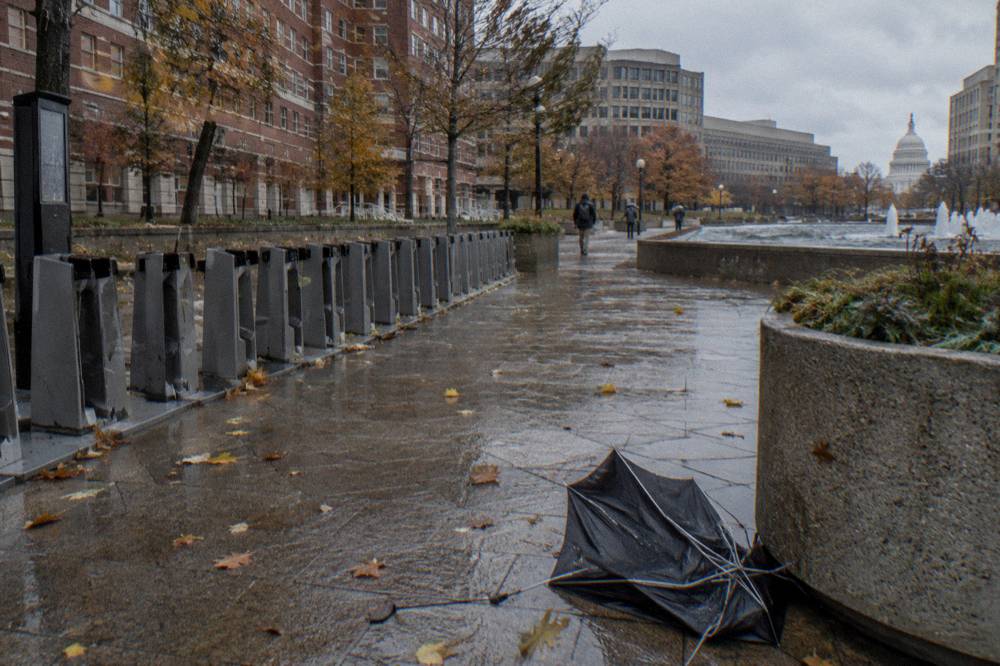
Summer changes the shape of the day rather than canceling it. Sunset in late October falls around 6 p.m., which pushes lit-monument viewing earlier; in June the evenings stretch long. The heat-month tactics, including timing and hydration, are in biking DC in summer heat, and the wet-day call is covered by rain and cold bike rides in DC.
What Closures Should You Check Before Riding The Mall?
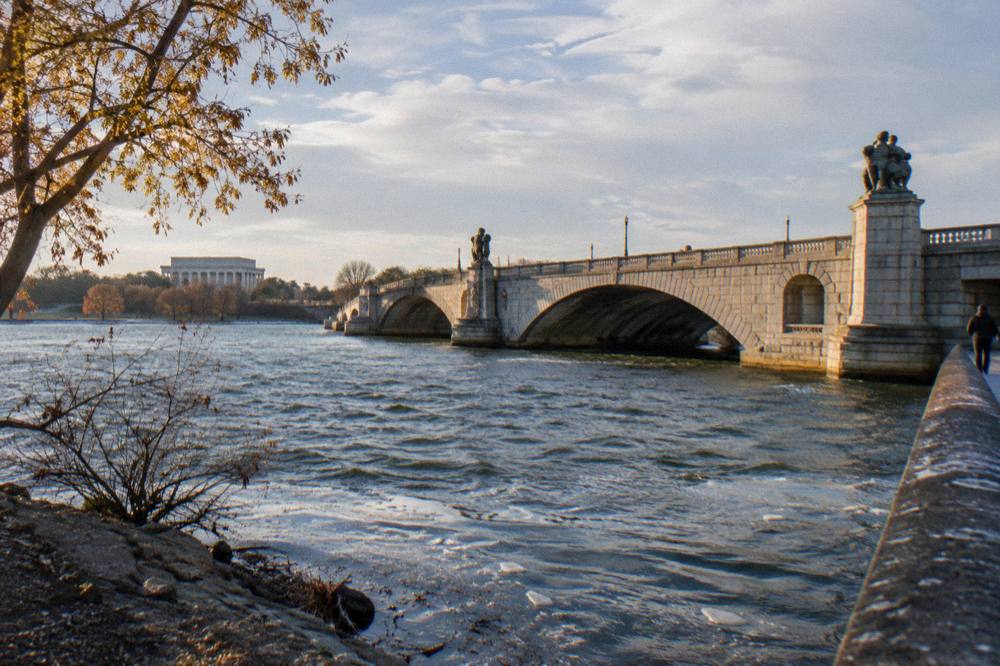
Two closures are in force now: the Lincoln Memorial Reflecting Pool, its adjacent walkways and grass medians are closed until November 20, 2026 at 11:59 p.m., and the west side of the Washington Monument Grounds is closed through January 23, 2027 for turf restoration. Neither closes the Mall itself, but both reshape walking and riding lines at the west end, so check the National Park Service notices before you go.
Closures are the quiet variable in DC trip planning because the park hosts events, security perimeters and construction continuously. Beyond the two long-running items, 2026 has seen temporary road and path restrictions around marathons, fireworks and project work on the Maine Avenue and Ohio Drive corridors near the Tidal Basin. None of these appear on a printed itinerary, and all of them are published by the park service first.
The practical habit is a five-minute check the night before and the morning of: the park service posts its public notices for the Mall, and the operator of any guided ride will flag route changes forced by a closure. A good guided ride earns part of its fee exactly here, since a guide reroutes around a fenced reflecting pool or a security perimeter without your group losing the stop to confusion.
Winter riders get a small compensation for the closures and the cold: with sunset arriving in the late afternoon, the lit-monument window opens early enough to pair with dinner, and the night rides listed here run year-round on seasonal start times. The evening corridor, and how it differs from the daytime one, is covered in night ride past the DC monuments after dark.
Getting Around DC: The Short Version
Ride the Metro into the city, walk the memorial interiors, and put wheels under the connectors. Bicycles are welcome across National Mall and Memorial Parks, the park never closes, and a bike compresses the memorial corridor from a full-day walk into a three-hour circuit. Capital Bikeshare at $10 per day suits independent planners; a guided ride suits first-timers who want the route, the helmet and the story included.
Every mode on this page has a job, and the mistakes come from asking one mode to do another's job. The train is not a park shuttle. Feet are not a corridor-crossing tool. A bike is not allowed inside the memorials, which is fine, because the racks are at the door. Plan to the shape of the park rather than the shape of the transit map, and DC starts to feel small in the best way.
The site behind this page, Bike Tours Washington DC, exists because that corridor keeps proving itself the most efficient piece of car-free infrastructure in the city, and the ride options compared here, from the classic 3-hour monuments circuit to the Capitol Hill and night versions, are the packaged forms of the same logic.
Common Questions About Getting Around DC
Is The Metro Or A Bike Better For Seeing The National Mall?
The Metro reaches the edges of the Mall but no station serves the memorial corridor itself. A bike covers that corridor continuously on paths where bicycles are welcome, with parking near each major memorial. Ride the train in, then switch to wheels or feet inside the park.
Can You Take A Bike On The DC Metro?
Bike-on-train rules, including which cars and which hours, change and are set by WMATA, so check the transit agency's own bicycle pages before planning to board with a bike, especially at rush hour.
How Much Does A Capital Bikeshare Day Pass Cost?
A day pass costs $10 per 24 hours. It includes unlimited classic-bike rides with the first 45 minutes of each ride free, then $0.05 per minute, and e-bikes at $0.15 per minute with no unlock fee.
Can You Ride A Bike Inside The Memorials In DC?
No. Riding is not permitted within the memorials themselves. The park asks cyclists to walk bikes through the World War II and Franklin Delano Roosevelt Memorials, or lock up at the racks near each major memorial before entering.
Is The National Mall Open At Night?
Yes. National Mall and Memorial Parks is open 24 hours a day, and the memorials are lit after dark, which is why night bike rides and evening walking itineraries both work.
Do You Need A Helmet To Ride A Bike In DC?
DC law requires a securely fastened helmet for anyone under 16 operating or riding as a passenger on a bicycle on a public roadway, path or right-of-way. Guided rides include helmets for all riders.